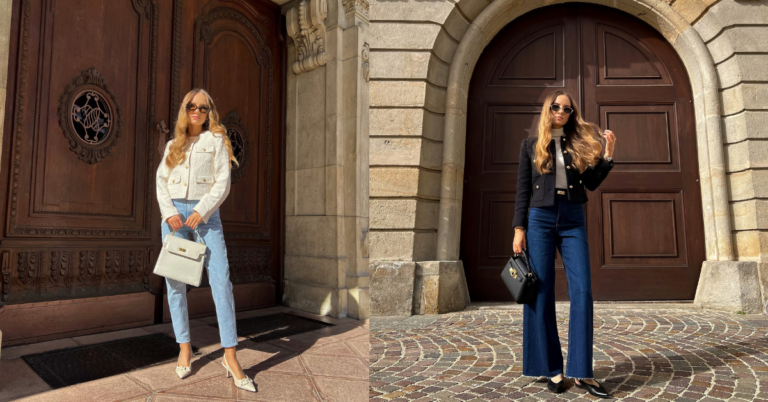

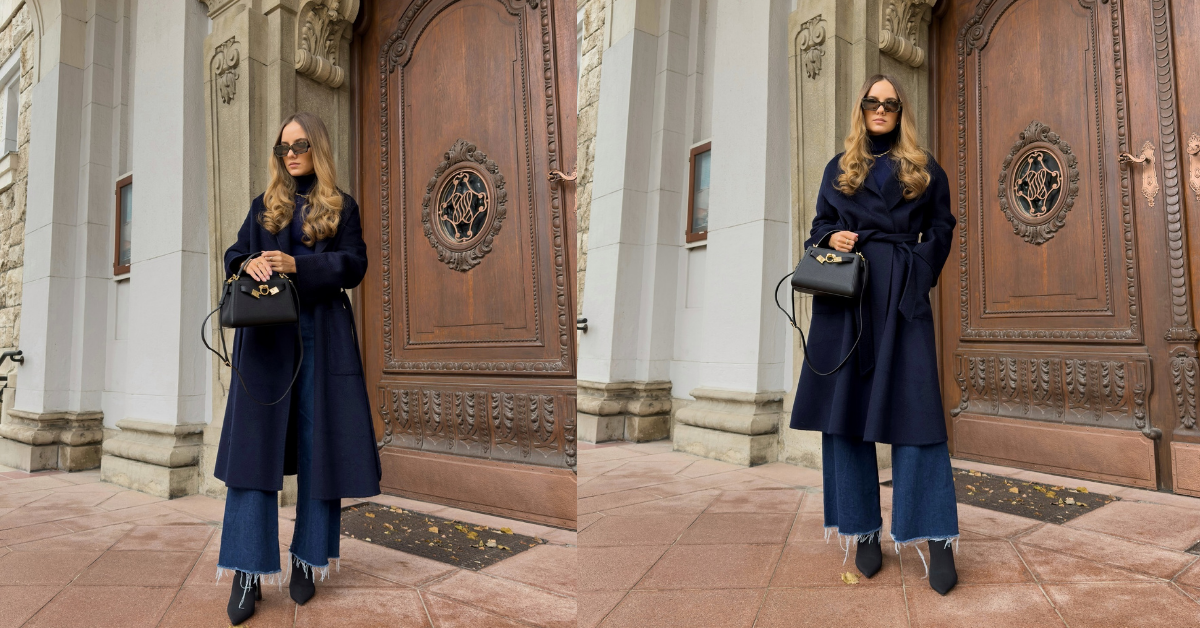
Most people don’t need “a new style.” You need a better way to use what you already own.
When your outfits feel stale, it’s usually not because your closet is bad. It’s because your default combinations are on autopilot: the same jeans with the same top, the same cardigan, the same shoe. After a while, even great pieces start to feel like a uniform you didn’t choose.
Updating your style without replacing your wardrobe is mainly about three things:
- Shape (where your outfit is fitted vs relaxed)
- Finish (shoes, bag, hair, jewelry, layering)
- Modern combinations (high-low mixes, unexpected pairings)
You can do all of that without a big shopping spree. And honestly, it usually looks more “you” when you work with what’s already in your closet.
Quick answer for skimmers
- Pick one current silhouette shift (waist definition, longer lengths, wider leg, sharper shoulder) and apply it to outfits you already wear.
- Use the shoe swap as your fastest update: sneakers, loafers, or a sleeker boot can change the era of an outfit in 10 seconds.
- Build 5 “no-think” outfit formulas and rotate them instead of reinventing outfits daily.
- Lean on structured layers (blazer, trench, denim jacket, tailored coat) to make basics look intentional.
- Upgrade fit with small alterations (hemming, tapering, waist adjustment, sleeve length). Tailoring is the quiet cheat code.
- Add freshness with accessories, not whole new outfits: one bag shape, one belt approach, one jewelry “signature.”
- Do a two-week shopping pause so you stop buying “solutions” and start noticing patterns.
If you only do one thing: change your shoes and outer layer. Keep the base outfit the same, swap the shoe + jacket, and your whole look updates.
The decision framework: update your style in 4 moves
Move 1: Define the job your clothes need to do
Before trends, ask: what do you actually need your outfits for?
- Work meetings? School runs? Travel? Social plans?
- Lots of walking? Public transit? Sitting at a desk?
- Modest dressing needs? Weather? Budget?
This matters because “current” looks different when you’re living real life. A runway trend can be cute and still be useless for you.
Move 2: Pick one style direction (not ten)
Choose one “north star” so your updates feel cohesive:
- Polished minimal (clean lines, simple color palette, sharp layers)
- Relaxed modern (wide-leg pants, sneakers, soft knits, oversized layers)
- Romantic but current (flowy shapes, but with modern shoes and clean styling)
- Edgy classic (leather, denim, tailoring, strong shoes)
I usually tell people to stop chasing “more variety.” One clear direction you can repeat is what makes you look stylish, not having 40 different vibes.
Move 3: Choose your “style levers”
These are the things that change the feel of outfits without buying new wardrobes:
- Proportion (tuck, hem, crop, high waist vs low waist)
- Texture (denim + knit, leather + cotton, matte + shine)
- Footwear (sneaker/loafer/boot changes the era instantly)
- One current detail (belted waist, drop waist placement, updated bag shape)
- Fit and tailoring (hem, taper, sleeves, waist)
Move 4: Commit to “shop your closet” for 14 days
This is the part people skip, then wonder why nothing changes.
A short shopping pause helps you:
- notice what you wear on repeat
- see what gaps are real vs imagined
- stop panic-buying trend pieces you can’t style
Capsule-wardrobe advice often includes some version of this “pause and trial run” approach for a reason.
This won’t work if you have a job or life change coming up where you truly lack basics (for example, a new dress code). In that case, do the process, but allow a small “bridge budget.”
The closet refresh method that actually feels doable
Step 1: Pull 15 pieces you already love wearing
Not what you wish you wore. What you actually reach for.
Include:
- 2 bottoms (jeans, trousers, skirt)
- 5 tops
- 2 layers (jacket, blazer, cardigan, coat)
- 2 shoes
- 2 bags or accessories
- 2 “wild cards” (dressy top, statement skirt, etc.)
These are your style anchors.
Step 2: Identify what’s making outfits feel dated
Usually it’s one of these:
- Too matchy (same vibe head-to-toe, no contrast)
- Wrong silhouette (all tight, or all loose, no intentional shape)
- Outdated shoe doing all the damage
- Fabric looks tired (pilling, stretched necklines)
- Fit issues (too long, too wide, shoulder seam drooping)
Don’t judge yourself. Just spot the pattern.
Step 3: Create 5 outfit formulas from those 15 pieces
A formula is not a specific outfit. It’s a repeatable structure.
Here are examples that work with most wardrobes:
- Base + structured layer + modern shoe
- Monochrome base + one texture contrast
- Relaxed bottom + fitted/simple top + strong shoe
- Dress or skirt + knit + sneaker/loafer
- Tailored trouser + tee + blazer (or coat) + minimal accessories
Write them in your notes app. Use them like templates.
The biggest “free” upgrades that make outfits look current
1) Modernize with contrast: casual + polished
If you always dress “nice,” add one casual element.
If you always dress casual, add one structured piece.
Mix-and-match styling is a common recommendation because it creates that intentional high-low look without buying anything new.
Examples:
- blazer + tee + jeans + sleek sneaker
- knit + satin skirt + chunky loafer
- button-up + wide-leg trouser + sporty shoe
2) Update your silhouette with waist definition (lightly)
Waist emphasis keeps popping back up, especially through belting and shaped jackets.
You do not need to belt everything. You just need one of these:
- half-tuck
- shorter jacket
- belt over outerwear
- high-rise bottom with a cleaner top
Trade-off with no perfect solution: if you hate anything tight at your waist, some of the most “current” silhouettes will feel annoying. You can still look modern, but you’ll lean more on structure, lengths, and shoes instead of cinching.
3) Use accessories like punctuation, not decoration
Accessories are where you can adopt a trend without changing your whole wardrobe. Many trend reports focus on accessories precisely because they’re the easiest updates.
Pick one lane:
- one “everyday” earring style
- one bag shape you repeat
- one belt style (or none)
- one watch/bracelet routine
This is optional. Skip it if accessories make you feel fussy. A clean outfit with great shoes beats forced jewelry every time.
4) Tailoring: the upgrade most people ignore
If you want your clothes to look more expensive, fit is the fastest route.
Common alterations that can modernize what you already own include hemming, tapering, adjusting a waist, shortening sleeves, and small reshaping changes.
Start with pieces you already wear a lot:
- your favorite trousers (hem and taper if needed)
- one blazer (sleeve length is huge)
- one dress that’s “almost right”
Even small adjustments can make an outfit look intentional instead of accidental.
7 outfit upgrades you can do this week using what you own
- Swap the shoe category
If you always wear ankle boots, try sneakers. If you always wear sneakers, try a loafer. Shoe trends and color pairings shift fast, and footwear is a quick update lever. - Do one “column of color” outfit
All black, all cream, all navy, all brown. Then add a contrasting layer (denim jacket, blazer, trench). - Use the “one structured layer” rule
Even a basic tee looks more styled with a blazer, trench, or sharp jacket. Capsule wardrobe guidance often puts outerwear and tailoring in the essentials category for a reason. - Try a new tuck
Half-tuck, side tuck, or just tuck the front. It changes proportion without buying anything. - Switch your bag
Go from tiny to medium. From slouchy to structured. From backpack to shoulder bag. Accessories trend coverage is often where you’ll see “newness” show up first. - Texture stack
Denim + knit. Cotton + leather. Satin + wool. Mixing textures is a simple way to make outfits feel styled. - Replace one “tired” basic, not the whole closet
If a white tee is stretched or a knit is pilled, it drags down everything. Replacing one worn-out basic can do more than buying five new trend items.
Options based on your life and comfort level
If you’re busy and want zero effort
Pick 2 shoes + 2 layers and rotate them across your existing outfits:
- Shoe A: sneaker
- Shoe B: loafer or boot
- Layer A: blazer or structured jacket
- Layer B: long coat or trench
That alone updates most looks.
If you’re on a strict budget
Do a tailoring-first approach: hem pants, shorten sleeves, fix waist gaping.
Then add one accessory only if there’s a real gap.
If you want to look more current but still modest
Focus on:
- longer hemlines with cleaner lines
- structured outerwear
- modern shoes
- simple layers instead of lots of small “decorative” pieces
If you feel stuck in “safe basics”
Add one statement element per outfit:
- one bold shoe
- one interesting bag
- one texture piece (leather, satin, denim)
- one modern silhouette detail (belted outerwear, lower waist placement)
Trend pieces like shaped jackets and altered waist placement show up season to season, but you only need one small nod, not a full remake.
If you’re rebuilding confidence
Take photos of outfits you like (just for you). You’ll spot:
- your best proportions
- your best colors
- what you repeat when you feel good
Style gets easier when you treat it like data, not identity.
FAQ
Do I need to follow trends to update my style?
No. Trends are optional. Use them as “inspo signals,” especially in accessories and outerwear, but build around your real life and your repeatable formulas.
What’s the fastest update if I can only change one thing?
Shoes and outerwear. They frame the whole outfit and instantly change the time period your look reads as.
How do I know what to tailor?
Tailor what you already wear a lot and what’s close to perfect. Hemming and sleeve length are high-impact.
How do I stop buying random pieces that don’t work together?
Take a short shopping pause, build 5 formulas, and only buy for a formula you already use. Capsule wardrobe processes often emphasize a pause and a trial run for this reason.
What if my wardrobe is mostly older pieces?
Older pieces can look modern if the fit is right and your styling is current: modern shoes, cleaner layering, better proportions, less matchy styling.
What if I hate belts and waist emphasis?
Skip it. Use proportion in other ways: cropped layers, longer lines, cleaner tops, and strong shoes.
How many “updated” items do I actually need?
Often 0. If you later decide you need anything, it’s usually 1-3 items total: a shoe, a structured layer, and maybe one accessory.
Just a little note - some of the links on here may be affiliate links, which means I might earn a small commission if you decide to shop through them (at no extra cost to you!). I only post content which I'm truly enthusiastic about and would suggest to others.
And as you know, I seriously love seeing your takes on the looks and ideas on here - that means the world to me! If you recreate something, please share it here in the comments or feel free to send me a pic. I'm always excited to meet y'all! ✨🤍
Xoxo Alessandra