

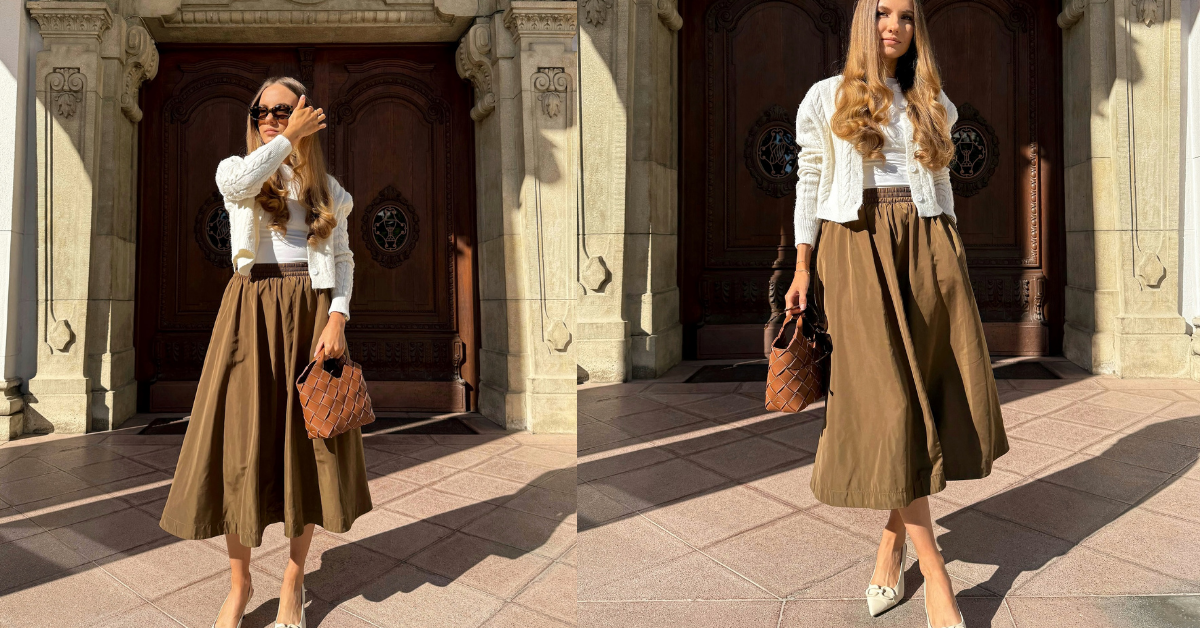
Dressing for church is one of those things that sounds simple until you’re actually standing in front of your closet. The tricky part is not “looking fancy.” It’s looking respectful, feeling comfortable, and fitting in with your specific church’s vibe, all while dealing with heat, cold, rain, and that one sanctuary that somehow feels like an ice rink year-round.
A lot of people assume “seasonal church outfits” means shopping. New dress for Easter, new layers for winter, new shoes for fall. But you can get 90 percent of the way there by re-using what you already own and changing only the support pieces: base layers, tights, shoes, and one outer layer that looks intentional.
This guide gives you a simple framework you can apply to whatever your style is: dress, skirt, trousers, jeans (if that’s normal where you go), or a suit. No pressure to be trendy. Just a plan that helps you show up feeling like yourself, in any season, without panic-buying another outfit.
Quick answer for skimmers
- Start with a “church-ready core outfit” that works in mild weather: one main piece + one structured layer + tidy shoes.
- Make seasons work by swapping base layers (tank, tee, thin turtleneck, thermal), not the whole outfit.
- Use the three-layer rule in cold months: base (close to skin) + warmth (knit) + polish (coat/blazer).
- In heat, your best friends are breathable fabrics like cotton, linen, and lightweight blends.
- Keep a “coverage fix” in your bag: cardigan, scarf, or light blazer for sleeveless tops or chilly air conditioning.
- Choose footwear by weather first, outfit second: you’ll look more put-together if you’re not slipping, sweating, or freezing.
- If your church leans formal, lean toward smart casual or dressy silhouettes (structured layers, clean lines) rather than sporty pieces.
- When in doubt, check your church’s website or posted expectations. Some communities publish specific dress guidelines.
If you only do one thing:
Pick one “default outfit” you can wear most weeks, then build seasonal comfort around it with layers and accessories.
(I usually tell people to stop chasing variety on Sunday mornings. One good default outfit does more than ten options.)
The decision framework: get to “church-ready” with what you own
Step 1: Match your church’s vibe (without overthinking it)
Church dress varies a lot by denomination, region, and even service time. Some communities dress up, some are relaxed, and some explicitly ask for modest coverage (like shoulders covered, knee-length skirts, avoiding athletic leggings).
A simple way to calibrate:
- First-time or unsure: aim for smart casual: neat, clean, not sporty, not flashy.
- More formal environment: add structure (blazer, dress coat, button-down, dress shoes).
- More casual environment: keep it tidy (dark jeans may be fine), but avoid gym wear.
Step 2: Choose one “main piece” as your anchor
Pick one item you already own that can be church-appropriate in multiple seasons:
- A midi dress or shirt dress
- A skirt + blouse combo
- Trousers + knit top
- Dark jeans + button-down + blazer (only if your church is casual with denim)
- A suit or matching set
Your anchor should be comfortable to sit in, not constantly shifting, and not see-through in sunlight.
Step 3: Add a “polish layer”
This is the piece that instantly makes the outfit feel intentional:
- Cardigan with structure (not slouchy-loungewear vibes)
- Blazer
- Light trench or tailored coat
- Sweater vest over a blouse (works great in fall and winter)
A polish layer also solves common coverage needs. For example, some churches ask that sleeveless tops be covered unless layered.
Step 4: Adjust for the season with comfort layers (not new outfits)
This is the principle: your outfit stays basically the same. Your base layers and finishing layers change.
- Warm weather: breathable fabric, minimal layers, sweat-friendly undergarments.
- Cold weather: add a thin base layer + tights/thermal leggings under, then a warm top layer.
- Rain/wind: switch outerwear and footwear, keep your indoor outfit unchanged.
If you already have a routine that works, you can skip the deep-dive steps and go straight to the seasonal variations below.
Common mistakes (and quick fixes)
- Mistake: Dressing for the car, not the building
Sanctuaries can be cold even in summer.
Fix: keep a light cardigan, scarf, or blazer in your bag as a “temperature rescue.” - Mistake: Over-correcting and feeling like you’re in costume
You don’t need to look like a different person on Sunday.
Fix: keep your usual style, just slightly “tidier”: cleaner lines, fewer sporty details, better shoes. - Mistake: Fighting the weather with the wrong fabric
Some fabrics feel miserable in heat.
Fix: prioritize breathable materials like cotton, linen, silk, and appropriate blends. - Mistake: Trying to solve everything with one pair of shoes
The wrong shoes can ruin the whole plan.
Fix: rotate between two practical pairs: one warm-weather pair, one cold/wet-weather pair. - Mistake: Buying “church clothes” that only work for church
That’s how closets get expensive fast.
Fix: aim for pieces that also work for work, dinners, or events.
Deep dive: how to make one outfit work in every season
Build your “Church Capsule” from what you already own
You only need a small set of supporting pieces:
Core outfits (choose 2):
- Outfit A: dress OR skirt + top
- Outfit B: trousers OR dark jeans + top + structured layer
Support pieces (choose from your closet):
- 1 cardigan and/or blazer (your polish layer)
- 1 warm outer layer (coat, long jacket, trench)
- 1 breathable warm-weather layer (linen shirt, cotton blouse, light dress)
- 2 shoe options (warm vs cold/wet)
- Tights or thermal base layer for winter
- A scarf (doubles as warmth and coverage)
This won’t work if you truly have zero layering pieces at home. But most people do, even if they’ve never thought of them as “church layers.”
Seasonal outfit formulas you can copy
Spring: flexible layers, unpredictable temps
Spring is basically “cold in the morning, warm by lunch.” Build outfits you can peel.
Formula 1: Dress + cardigan + closed-toe shoe
- Add: light tights if it’s chilly
- Swap: trench or light coat if raining
Formula 2: Trousers + blouse + blazer
- Roll sleeves or swap blouse fabric as it warms up
Spring checklist
- One mid-weight layer you can remove
- Shoes that handle surprise rain
- Fabric that doesn’t wrinkle instantly (unless you’re okay with that)
Trade-off (no magic fix): linen looks beautiful in spring and summer, but it wrinkles. If wrinkles bother you, you’ll feel slightly annoyed all day.
Summer: stay cool and still look respectful
Heat is where people default to “less fabric,” but you can stay comfortable without going super revealing by choosing breathable materials and smarter cuts.
Breathable fabric options often include cotton, linen, silk, and certain blends.
Formula 1: Midi dress + light layer in your bag
- Sleeveless is fine in many churches, but a light layer helps if your space prefers shoulders covered or the AC is intense.
Formula 2: Wide-leg trousers + tucked tee + belt
- Sounds casual, reads polished if the trousers are structured and the tee is crisp.
Formula 3: Skirt + breathable blouse
- Look for airflow: looser sleeves, lighter fabric, not clingy.
Summer comfort tricks (no shopping required)
- Pick lighter colors you already own
- Use a scarf as optional shoulder coverage
- Swap heavy bags for something light so you’re not overheating
Fall: easy mode for “church outfits”
Fall is the easiest season because layering looks intentional.
Formula 1: Dress + tights + boots
- Add: cardigan or blazer
Formula 2: Skirt + knit + structured jacket
- Tuck the knit slightly in front to keep shape
Formula 3: Trousers + button-down + sweater vest
- This is the quickest way to look put-together without trying too hard.
Winter: warm, not bulky
You want warmth without feeling like the Michelin tire mascot.
A practical layering approach is:
- Base layer close to the skin
- Insulating layer for warmth
- Outer layer that blocks wind and looks polished
Formula 1: Sweater + skirt + tights + boots
- Add a thin base layer under the sweater if it’s very cold.
Formula 2: Turtleneck + trousers + coat
- Swap shoes based on snow/ice risk.
Formula 3: Dress + thermal tights + long coat
- Keeps the silhouette clean while staying warm.
One important reality:
If your mornings are unpredictable, some of this prep simply won’t stick, and that’s fine. The goal isn’t perfection, it’s fewer bad mornings.
Routines: how to make Sunday mornings easier
This section is optional. Skip it if you already have a system that works.
The 5-minute “Saturday reset”
- Pick your anchor outfit and shoes
- Check weather
- Decide your top layer (cardigan, blazer, coat)
- Put your “coverage fix” in your bag (scarf or light cardigan)
The “default outfit” rule
Choose one outfit you can repeat often:
- Same dress, different shoes
- Same trousers, different top
- Same blazer, different base layer
Repeat is not a failure. It’s how you stop buying duplicates out of stress.
Options and variations by use case
Best if you’re new to a church
- Smart casual baseline: tidy, structured, not sporty.
- Bring a light layer just in case.
Best if you serve (usher, choir, kids, volunteering)
- Prioritize movement: breathable layers, stable shoes, nothing that rides up when you bend.
- Skirt? Add tights or bike shorts underneath for comfort.
Best if you sit through long services
- Soft waistbands, breathable fabrics, layers you can adjust quietly.
- Avoid scratchy knits.
Best if your church is very formal
- Lean on structured pieces: blazer, dress coat, dress shoes.
- Keep accessories minimal and intentional.
Best if your church is very casual
- Dark, clean denim may work if that’s normal where you go.
- Still avoid athletic leggings and gym tops if you want “church-ready” rather than “errands.” (Some churches explicitly discourage athletic leggings.)
Best if you dislike dresses
- Trousers + blouse + blazer is your best friend.
- In summer, wide-leg trousers + crisp tee + belt reads polished fast.
FAQ
What if I only own casual clothes?
Start with your cleanest, least sporty option and add a polish layer (cardigan or blazer). That alone changes the vibe.
Are jeans okay for church?
Sometimes yes, sometimes no. If you’re unsure, assume “no” for your first visit, then adjust once you see what people wear.
How do I handle sleeveless tops?
Carry a light cardigan or scarf. Some churches prefer shoulders covered and explicitly suggest layering.
What shoes are safest for winter?
Choose traction and warmth first. You can always switch into nicer shoes at the door if you want, but safety wins.
How do I avoid looking “too dressed up”?
Keep one element relaxed: softer hair, simpler accessories, or a less formal shoe. The outfit can still be neat.
What’s a good “one outfit” starter if I’m rebuilding my wardrobe slowly?
A midi dress or trousers + blouse combo, plus a blazer or structured cardigan. Those mix well across seasons.
Do I need special modesty rules?
Different communities define it differently, and some publish guidelines. If your church has posted expectations, follow those first.
What fabrics help most in hot weather?
Breathable options often include cotton, linen, silk, and certain blends.
Just a little note - some of the links on here may be affiliate links, which means I might earn a small commission if you decide to shop through them (at no extra cost to you!). I only post content which I'm truly enthusiastic about and would suggest to others.
And as you know, I seriously love seeing your takes on the looks and ideas on here - that means the world to me! If you recreate something, please share it here in the comments or feel free to send me a pic. I'm always excited to meet y'all! ✨🤍
Xoxo Alessandra