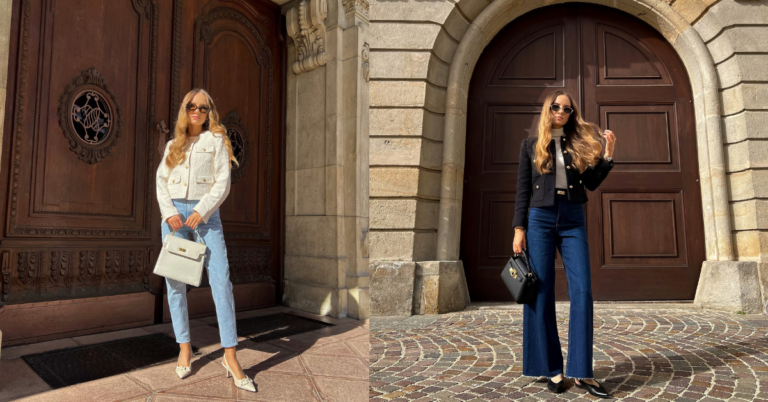

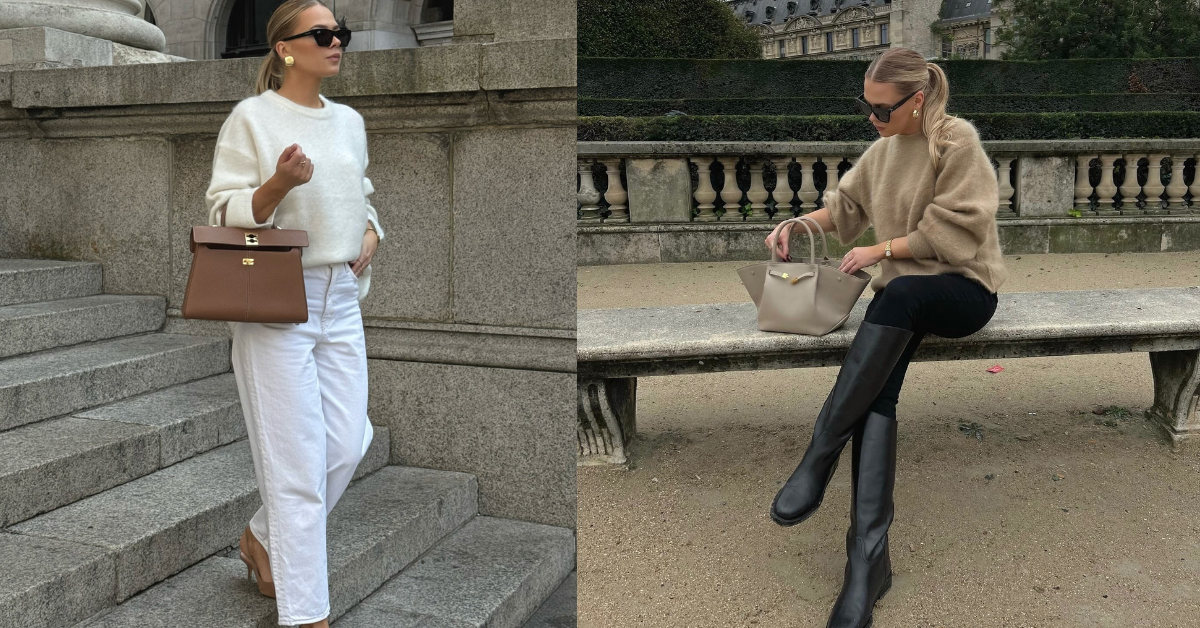
Most closets fail for one boring reason: the pieces were bought in isolation.
You saw a top you liked. A dress that looked great on someone else. Shoes that were “a deal.” None of those purchases were wrong, but if they do not connect to a small set of colors, silhouettes, and shoe types you actually wear, your closet turns into a museum of “nice items” instead of a system you can get dressed from.
A closet where everything works together is not about owning fewer things (though that often happens). It’s about creating a few simple rules so any top can meet any bottom without a negotiation. You’ll still have personality pieces. You’ll still have seasons. You’ll just stop buying or keeping the orphans.
Assumption I’m making: you want a practical everyday wardrobe (work, errands, casual social plans) with a few nicer outfits, not a fashion-collector closet. If you’re in a strict uniform job, a very formal industry, or you wear mostly athletic wear, the same framework works, but your “core pieces” will be different.
This won’t work if you refuse to repeat outfits. A working-together closet depends on repetition, because repetition is how you learn what actually functions in your life.
Quick answer for skimmers
- Pick 3 core neutral colors you can mix without thinking (example: navy, cream, taupe).
- Add 2 accent colors you love wearing near your face (example: forest green, burgundy).
- Choose 2-3 silhouettes you feel best in and stop buying against them.
- Build outfit formulas you can repeat (like: jeans + knit + blazer + loafers).
- Make shoes do less: keep 2-3 everyday shoe shapes that match most of your bottoms.
- Edit aggressively: keep what you wear, not what you “should” wear.
- Shop like a curator: no new item enters without matching at least 3 outfits.
If you only do one thing: decide your “default outfit” (your reliable go-to) and build around it until it becomes effortless.
The decision framework: “If you want X, do Y”
If you want maximum mix-and-match
Do this:
- Limit your palette to 3 neutrals + 2 accents
- Buy tops and layers in neutrals, use accents in smaller doses (tops, scarves, earrings)
Avoid:
- Random one-off colors that only match one item
If you want to feel stylish, not basic
Do this:
- Keep basics simple, then add 1 “signature” element (a sleeve shape, a neckline, a print type, one metal tone for jewelry)
Avoid:
- Trying to make every item “the statement.” That’s how you get a closet full of loud pieces that never talk to each other.
If you want to get dressed fast
Do this:
- Create 3-5 outfit formulas that cover 90% of your week
- Keep duplicates of what you actually wear (two great knits beat seven “fine” tops)
Avoid:
- Buying for fantasy events. If it rarely happens, it should not dominate your closet space.
If you want to spend less (and regret less)
Do this:
- Use a simple cost-per-wear mindset and prioritize items you’ll repeat
- Research suggests showing cost-per-wear info can shift shoppers toward longer-lasting choices.
Avoid:
- “Deals” that do not earn their spot.
The 7-step system to make everything work together
Step 1: Define the job your closet needs to do
Before you touch a hanger, write your real life down. No poetry, just facts:
- How many days per week are you casual?
- How many are work outfits?
- How often do you need something dressy?
- What shoes do you actually walk in?
- What is your climate doing most of the year?
If your closet is built for a life you do not live, you will always feel like you “have nothing to wear.”
Step 2: Do a closet audit that produces data, not guilt
Pull everything out by category (tops with tops, pants with pants). This “by category” approach is a classic organizing principle because it helps you see duplicates and patterns.
Make four piles:
- Worn weekly
- Worn sometimes (monthly or seasonal)
- Not worn (last 12 months)
- Doesn’t fit / needs repair
A practical decluttering method is to make everything visible, sort into keep/donate/sell, and then organize by category so you can see what you own.
Two rules that keep this sane:
- If it hurts, it’s a no. (Shoes count.)
- If you would not buy it again today, it’s on probation.
This is optional. Skip it if you already have a very small closet and you know exactly what you wear. You can jump straight to the palette + outfit formulas.
Step 3: Identify your “repeat offenders” (your style clues)
Look only at the worn weekly pile and answer:
- What are the repeated colors?
- What necklines show up again and again?
- What fabrics feel best?
- What silhouettes repeat?
That’s your actual style. Not your Pinterest board. Your real life is telling you the truth.
I usually tell people to stop chasing endless variety. One strong set of repeatable pieces will make you feel more put together than a closet full of “options” that do not combine.
Step 4: The principle that makes a closet work together
Here’s the principle: shared language.
Your closet needs a shared language in:
- Color
- Silhouette
- Shoe type
- Formality level
- Texture / fabric weight
If one item speaks “beach linen,” another speaks “corporate suiting,” and your shoes speak “gym,” you can own beautiful pieces and still feel stuck.
A good target is:
- 3 neutrals (your base)
- 2 accents (your personality)
How to choose neutrals fast:
- Pick the neutral you wear most often now (black or navy usually)
- Add one light neutral (cream, stone, light gray)
- Add one warm neutral (camel, olive, chocolate)
Then choose 2 accents you actually wear, not just admire.
Step 5: Build outfit formulas (this is where it becomes easy)
Outfit formulas are your closet’s “operating system.” They create automatic combinations.
Pick 3-5 formulas that fit your week. Examples:
- Straight-leg jeans + tee/knit + blazer + loafers
- Tailored pants + fitted top + cardigan + sneakers
- Midi skirt + knit + ankle boots
- Simple dress + jacket + flats
Now test them:
- Can you make each formula with at least 3 different tops and 2 different shoes?
- If not, you found the gaps.
A simple rule: if a new piece cannot plug into at least one of your formulas, it’s not a “closet builder.” It’s a special guest.
Step 6: Make shoes the glue
Shoes decide whether outfits feel connected.
Choose 2-3 everyday shoe types that match most of your bottoms, like:
- Clean sneakers
- Loafers or flats
- A low heel or ankle boot
If your shoes match your palette and your outfit formulas, your closet starts behaving like a capsule without you trying to be minimalist.
Step 7: Create “entry rules” for future shopping
This is how you prevent relapse.
Use these rules:
- 3-outfit rule: Do not buy it unless you can name 3 outfits using what you already own.
- Palette rule: It must match your neutrals or be one of your accents.
- Comfort rule: If it needs constant adjusting, it’s a no.
- Duplicate with purpose: Duplicates are allowed if they reduce laundry stress and you truly wear them.
A cost-per-wear perspective can help here because it nudges you to buy what you’ll actually repeat, not just what looks good once.
One honest trade-off (no fix): if you love trend pieces, a tightly coordinated closet can feel “less fun” for a while. Some people miss the novelty. You have to decide whether getting dressed easily is worth that.
Routines: the weekly habits that keep it working
This is the “application” part. The system only stays smooth if you maintain it lightly.
The 10-minute weekly reset
- Put away the laundry immediately
- Re-hang the “worn but not dirty” items neatly
- Pull 3 outfits for the week (even if you only plan loosely)
The hanger trick (simple, effective)
Turn hangers one way. Flip after you wear. After a season, you’ll see what never gets touched. This kind of periodic wardrobe appraisal is commonly recommended for keeping closets functional.
Store by visibility, not by “category perfection”
If you cannot see it, you will forget it. Vertical folding and upright storage can increase visibility and reduce wrinkling.
Variations: build it around your real constraints
If you live in mostly casual clothes
Your closet should be 70-80% casual, with a few nicer “upgrade” options:
- Elevated knits
- A structured jacket
- One versatile dress
- One nicer shoe
If you work in-office or client-facing
Build around repeatable uniforms:
- 2-3 work pants
- 5-7 tops that match all pants
- 2 layers (blazer/cardigan)
- 2 work shoes
If you are a busy parent or your mornings are unpredictable
Some of this prep simply won’t stick, and that’s fine. The goal isn’t perfection, it’s fewer bad mornings.
- Keep 2 default outfits ready
- Keep shoes and a layer by the door
- Choose washable fabrics
If you’re rebuilding after a body change
Start with comfort and fit:
- 2 bottoms that fit now
- 5 tops you like near your face
- 1 layer
- 2 shoes you can walk in
Do not “punish shop” for a future body. Build a closet for today.
Common mistakes (and the quick fixes)
- You pick too many accent colors.
Fix: keep accents to 2. Add variety through texture and shape instead. - You buy tops without bottoms that match.
Fix: if you shop, shop bottoms first. Tops are easier. - Your layers do not match your shoes.
Fix: match formality level. Sneakers + sharp blazer can work, but it needs intention. - You keep “maybe” items that clog decisions.
Fix: give them a deadline. If you do not wear it in 60 days, it goes.
FAQ
Do I have to build a capsule wardrobe to make everything match?
No. A coordinated closet can be big. The key is shared colors, silhouettes, and shoe types.
What’s the easiest color palette for beginners?
Pick the neutral you already wear most (often black or navy), add one light neutral, then add one warm neutral. Choose 2 accents you genuinely wear near your face.
How many shoes do I really need?
Most people function well with 2-3 everyday pairs plus 1 dressier option. More is fine if they still match your palette and your outfits.
What if I love lots of colors?
Then you need stronger rules: one main neutral base, and keep your colors within a family (like jewel tones or warm earth tones) so they still mix.
How do I stop buying “orphans”?
Use the 3-outfit rule and do not buy outside your outfit formulas.
What if my closet is overflowing and I feel overwhelmed?
Start by pulling just one category (tops) and building 3 outfit formulas. Small wins make the rest easier.
Why this matters (beyond convenience)
Textile waste is a real problem, and keeping clothes in use longer helps. The European Parliament has reported that a share of textiles are destroyed without being used and that large amounts of used clothing end up incinerated or landfilled.
Estimates also suggest the average garment is worn relatively few times before disposal and wear frequency has declined over time.
You do not need to carry the whole world on your closet. But building a wardrobe that works together naturally reduces wasteful “panic buying.”
Just a little note - some of the links on here may be affiliate links, which means I might earn a small commission if you decide to shop through them (at no extra cost to you!). I only post content which I'm truly enthusiastic about and would suggest to others.
And as you know, I seriously love seeing your takes on the looks and ideas on here - that means the world to me! If you recreate something, please share it here in the comments or feel free to send me a pic. I'm always excited to meet y'all! ✨🤍
Xoxo Alessandra