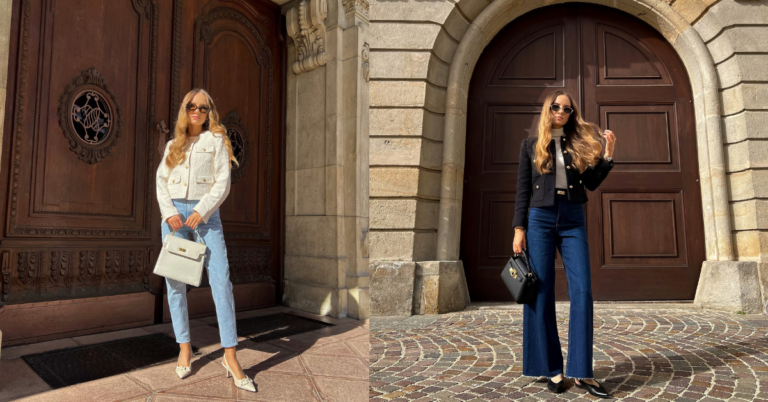

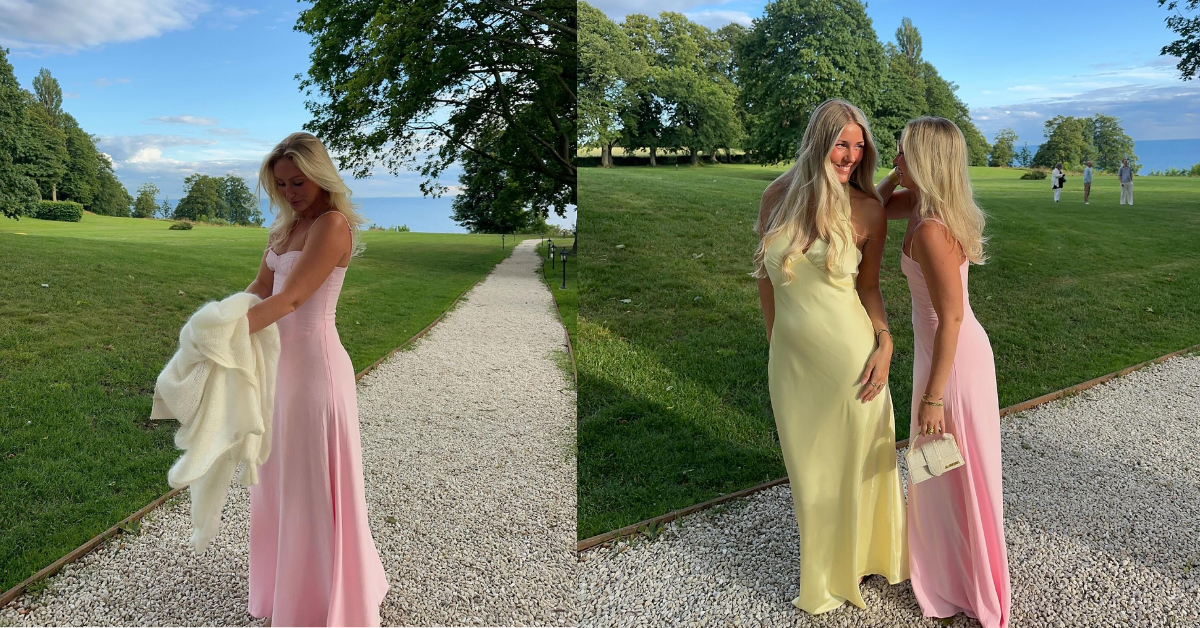
Modest wedding dressing is not about hiding yourself. It’s about choosing a few clear boundaries (coverage, fit, opacity, and vibe) and then styling inside those lines on purpose.
Where people get stuck is they treat “modest” like a single look: a shapeless dress, a random cardigan, and flats they don’t even like. The result feels older than you are, not really “you,” and sometimes not even appropriate for the dress code.
Instead, think of modesty as a design constraint, like “only neutrals” or “capsule wardrobe.” Constraints can actually sharpen your style, because they force better choices: cleaner silhouettes, richer fabrics, and more intentional accessories.
Below is a practical framework you can use for any wedding, any season, and any dress code. I’ll show you how to decode the invite, set modesty rules that still feel modern, and build outfits that look like you, just wedding-appropriate.
Quick answer for skimmers
- Start with the dress code + venue (church, garden, ballroom). That tells you the formality and how much coverage you’ll likely need.
- Define your modesty boundaries in 4 buckets: neckline, sleeves, hemline, and opacity (sheerness).
- Pick 1 to 2 “style anchors” that are always you: a color family, a silhouette, a texture, or a signature accessory.
- Use “modest-by-design” pieces first (higher necklines, longer hems, lined fabrics) instead of relying on emergency layering.
- When you do layer, keep it formal: wrap, shawl, cropped jacket, tailored blazer, or a dressy topper (not your everyday cardigan).
- Avoid colors that read bridal in your culture (often white, ivory, very pale champagne). When in doubt, choose another color.
- Build for movement: sit, raise your arms, walk in wind, dance under flash photography.
- If the ceremony is in a religious space, assume shoulders and knees should be covered unless told otherwise.
If you only do one thing: choose the dress you’d wear if you weren’t “trying to be modest,” then adjust it with structure, not bulk (lining, tailoring, neckline tape, a dressy wrap, a slip).
The decision framework
Step 1: Decode the wedding context in 60 seconds
Use this order:
- Dress code on the invite (black tie, formal, cocktail, etc.).
- Venue (church, temple, outdoor garden, beach, banquet hall).
- Time of day (daytime usually less formal than evening).
- Culture and family expectations (when relevant, ask the couple or someone close to them).
This matters because modesty and formality overlap, but they’re not the same thing. A high-neck maxi dress can still look casual if the fabric and styling are casual.
Step 2: Set your modesty “non-negotiables”
Pick your personal boundaries (you don’t need all of these):
- Neckline: crew, bateau, square, modest V, or use a camisole insert.
- Sleeves: elbow, 3/4, long sleeve, or sleeved topper.
- Hemline: below knee, midi, ankle, or floor length.
- Opacity and fit: lined fabrics, not clingy, not see-through under flash.
Once you decide these, shopping gets easier. You’re not debating every dress. You’re filtering.
Step 3: Protect your personal style with 1 to 2 anchors
Pick two things that make you feel like you:
- A color palette (jewel tones, earth tones, soft neutrals)
- A shape (wrap, fit-and-flare, column, tailored wide-leg)
- A texture (lace, satin, crepe, velvet)
- A signature detail (bold earrings, sleek bun, red lip, structured bag)
I usually tell people to stop chasing variety for weddings. One great “default formula” you love does more than ten outfits you feel unsure about.
Step 4: Choose an outfit formula that matches the dress code
Use one of these formulas and plug in your style anchors:
Cocktail (most common)
- Midi dress with sleeves OR a sleeved midi + dressy shoes + statement earrings
- Tailored jumpsuit (higher neck, sleeves) + heels + clutch
Cocktail sits between semi-formal and formal.
Formal
- Floor-length or dressy midi in elevated fabric (satin, crepe, velvet) + refined accessories
- Modest gown + elegant wrap
Black tie
- Full-length gown or an extremely polished alternative (tailored tux-style suit/jumpsuit).
Step 5: Do a 10-minute “real life” test
Before the event, do this at home:
- Sit down (does it ride up? pull at buttons?)
- Lift arms (does it gape? expose sides?)
- Walk fast + stairs (does the hem behave?)
- Flash photo check (thin fabrics can go sheer)
Step 6: Pack one modesty backup
One item that saves you if you misread the room:
- a nice wrap/shawl
- a cropped jacket or blazer
- fashion tape
- a slip (short or long)
Common mistakes (and how to fix them)
- “Modest” turns into “matronly.”
Fix: keep shape somewhere (defined waist, structured shoulder, clean column). Choose better fabric before adding layers. - You layer with something casual.
Fix: swap the everyday cardigan for a wrap, blazer, or dressy topper that matches the formality. - You forget about photography.
Fix: avoid thin, unlined fabrics in light colors. Flash can reveal more than you think. - You choose a beautiful dress that only works standing still.
Fix: movement test. Weddings involve sitting, hugging, dancing, wind, and overhead lighting. - You accidentally compete with the wedding party.
Fix: avoid bridal-looking colors and overly “gown-like” whites/ivories unless requested.
Deep dive: Modest, but still stylish
1) Modesty is four knobs, not one switch
If you turn all four knobs up at once (high neck + long sleeve + maxi + loose + heavy fabric), you can lose your shape and look overdressed or weighed down.
Instead, pick two as your main modesty moves and let the other two be moderate.
Examples:
- High neck + sleeveless (with a formal wrap ready)
- Long sleeves + modest V-neck
- Midi hem + higher neckline
- Maxi hem + defined waist and refined fabric
2) Fabric is what makes it wedding-ready
If you want to look stylish while covered, fabric is your best friend:
- Crepe: smooth, drapes well, looks polished
- Satin: formal and sleek, but shows wrinkles
- Velvet: rich for fall/winter, can be warm
- Lace: romantic, but check scratchiness and lining
This is a real trade-off with no perfect solution: the fabrics that look most formal (satin, velvet) can also be the least forgiving for heat, sweat, and wrinkles. Choose your pain.
3) The easiest “modest upgrade” is neckline structure
If you hate feeling like you’re constantly adjusting your top:
- choose a higher neckline
- choose thicker straps or sleeves
- use fashion tape for security
- consider a mesh yoke if you like the look of a V but want coverage
4) Underlayers that don’t ruin the outfit
A good slip can make a dress feel more expensive:
- smooths lines
- prevents sheerness
- helps fabric hang correctly
This is optional. Skip it if your dress is already lined and opaque, or you know you’ll be hot and uncomfortable.
5) Modest doesn’t mean muted
Personal style often disappears when people panic and go “safe”: beige, plain black, no jewelry, no texture.
If you love color, bring it back in a controlled way:
- jewel tone dress + neutral shoes
- neutral dress + bold earrings
- monochrome look in a non-bridal color (navy, emerald, chocolate, plum)
Religious venues and culturally traditional weddings
If the ceremony is in a church, mosque, synagogue, temple, or a conservative family setting, plan for more coverage during the ceremony. Many religious sites explicitly require covered shoulders and knees.
Practical approach:
- Wear the modest option from the start (sleeves, midi) or
- Wear your outfit and bring a wrap that truly covers and looks formal
This won’t work if your dress is strapless or very low-cut and you’re relying on a tiny scarf to behave all day. It will slip, you’ll be adjusting it constantly, and you’ll feel self-conscious.
For culturally specific weddings (South Asian, Middle Eastern, etc.), color meanings can differ. In some cultures, certain colors may be strongly associated with the bride. If you’re unsure, it’s totally normal to ask the couple what colors to avoid.
Outfit variations by use case
1) Church ceremony + reception (classic modest setting)
- Midi dress with sleeves + closed-toe or elegant sandals + structured bag
- Add: a wrap that looks intentional (not an afterthought)
2) Outdoor summer wedding (hot weather, windy photos)
- Lightweight midi/maxi with lining + breathable fabric
- Bring: anti-chafe, blotting papers, and a wrap for indoors AC
3) Black tie evening (most formal)
- Full-length gown with sleeves or higher neckline
- Keep accessories refined, not bulky
Black tie usually expects elevated evening wear.
4) Cocktail dress code (the “what does that even mean” wedding)
- Midi cocktail dress (sleeves or higher neckline)
- Or: tailored jumpsuit with sleeves
Cocktail is elevated, but not full gown territory.
5) Destination beach wedding (sand + sun)
- Flowing maxi with sleeves or a modest neckline
- Shoes: dressy flats or low block heels you can actually walk in
6) You hate dresses
- Tailored suit with a silk blouse
- Or a modest jumpsuit with strong tailoring
This reads modern and personal without relying on skin to feel “dressed up.”
FAQ
Can I wear pants to a wedding?
Yes, if they’re tailored and styled formally (good fabric, structured fit, dressy shoes, clutch).
Is it okay to wear black?
Often yes, especially for evening weddings, but some cultures associate black with mourning. If you know the wedding is traditional or culturally specific, ask or choose a different color.
Can I wear a white floral dress?
Usually risky if the base reads white in photos. If you have to ask, I’d skip it.
What if the dress code says “formal” but my modesty rules are stricter?
Go stricter on coverage, then compensate with fabric quality and styling so you still look event-appropriate.
How do I cover my arms without looking like I’m going to the office?
Pick a dressy topper: wrap, bolero, cropped jacket, or an elegant blazer. Keep the fabric and color aligned with the outfit.
What’s the simplest modest dress shape that flatters most people?
A midi with a defined waist (real or shaped), a soft A-line skirt, and sleeves or a higher neckline.
How do I avoid “frumpy” when I’m covered?
Structure somewhere: waist definition, clean shoulder line, or a sleek column silhouette. Then add one strong accessory.
If I’m attending a religious venue, what’s the safest baseline?
Shoulders and knees covered is a reliable starting point.
Just a little note - some of the links on here may be affiliate links, which means I might earn a small commission if you decide to shop through them (at no extra cost to you!). I only post content which I'm truly enthusiastic about and would suggest to others.
And as you know, I seriously love seeing your takes on the looks and ideas on here - that means the world to me! If you recreate something, please share it here in the comments or feel free to send me a pic. I'm always excited to meet y'all! ✨🤍
Xoxo Alessandra