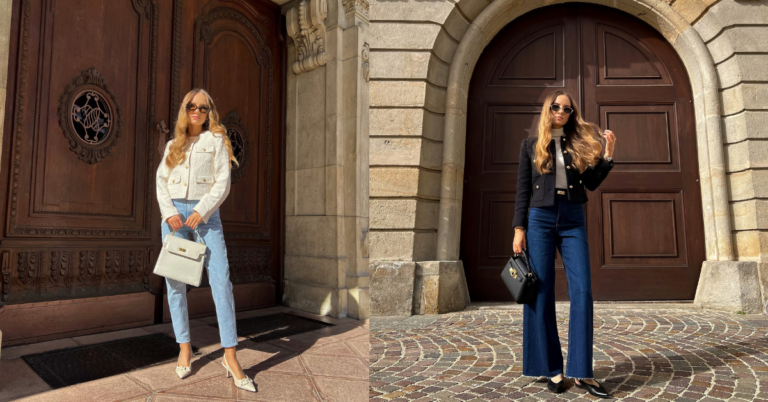

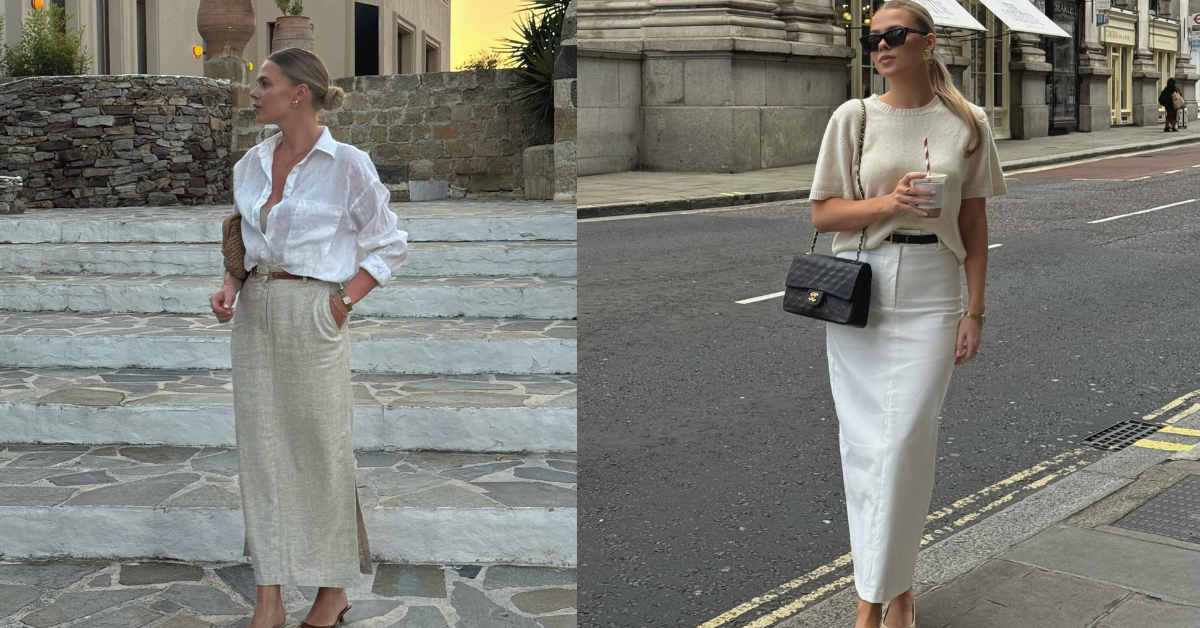
Skirt length is one of those style choices that feels simple until you try to decide in real life. In the mirror, a skirt can look cute, but you still wonder: “Is this too short for work?” “Is this matronly?” “Why does this length make my legs look… off?” And then you change shoes, and suddenly the same skirt feels totally different.
The trick is that “appropriate” is not a universal rule. It is a mix of your setting (office, weekend, event), your movement (sitting, walking, stairs), and your personal comfort threshold. “Flattering” is also not one magic length. It is mostly about where the hem hits relative to your knee and calf, plus what you pair with it (shoe, slit, fabric weight, waistband height).
This guide gives you a practical way to pick lengths that feel right for your life, without overthinking it. You will get a simple framework, a few fast mirror tests, and specific lengths that tend to work for different goals like “longer legs,” “more polished,” or “I need to chase a toddler and not fuss.”
One small heads-up: if you truly hate the feeling of fabric around your legs, some of this advice will not “click” because comfort drives everything. That’s not a style failure, it’s just personal preference.
Quick answer for skimmers
- Most universally flattering “easy” length: just above the knee to just below the knee. It moves well and reads polished fast.
- Most universally “appropriate” length: knee to mid-calf, in a fabric that is not clingy.
- If you want legs to look longer: choose a hem that ends above the widest part of your calf, or go long (ankle) with a cleaner shoe line.
- If mid-calf makes you feel shorter: you are probably hitting the widest part of your calf. Go 2 to 4 inches shorter, or all the way longer.
- If you sit a lot: always check the seated hem. A skirt that looks fine standing can feel too short sitting.
- If you want “appropriate but not frumpy”: keep the length more covered, but add structure (waist definition, straight silhouette, slit, or sharper shoes).
- Shoes change everything: mid-calf + chunky ankle strap often shortens the leg visually, while a sleeker shoe or boot can “finish” the line.
If you only do one thing:
Do a 20-second “standing + sitting + walking” test in good light, then decide based on how you move, not just how you look frozen in place.
The decision framework: choose length by your goal, not by trends
Step 1: Pick your “appropriateness bar”
Ask: What would make me feel self-conscious in this setting?
Common bars:
- Conservative workplace: around knee to mid-calf, not sheer, not tight.
- Business casual workplace: above knee (modest mini) to mid-calf, depends on top and shoes.
- Casual weekend: anything you can move in without adjusting.
- Event or date: choose based on vibe, but still pass the “sit and walk” test.
If you are unsure, choose knee to just below knee. It rarely feels “wrong.”
Step 2: Decide what you want your proportions to do
Choose one:
- Lengthen legs
- Balance hips or thighs
- Highlight waist
- Look polished and “grown up”
- Feel relaxed and easy
This matters because the “best” hem depends on what you are trying to emphasize.
Step 3: Use the 3-hem sweet spots
Most people have 3 lengths that reliably work because they avoid awkward points on the leg:
- Just above knee (classic, leg-lengthening, still polished)
- Just below knee (elegant, appropriate, works in many offices)
- Longer maxi (near ankle, can be very flattering if the line is clean)
Mid-calf can also work beautifully, but it is the one that most often feels “off” because it can land on the widest part of the calf.
Step 4: Run the “movement test”
This is where appropriateness is decided.
- Stand normally, arms relaxed.
- Sit like you would at work or dinner.
- Walk 10 steps, turn, and go up a step if you can.
If you keep tugging, adjusting, or thinking about it, the skirt is not wrong, but that length or cut is not doing you favors for that day.
Step 5: Lock it in with styling choices
If a length feels borderline (either too short or too “covered”), you can often fix the vibe with:
- Shoes (sleek vs chunky, heel height, boot height)
- Top volume (tucked, half tucked, cropped, longer)
- Fabric and structure (stiff vs drapey, lined vs clingy)
- Slit placement (front or side slit changes movement and balance)
Common mistakes (and quick fixes)
Mistake 1: Choosing “midi” without checking where it hits your calf
Why it happens: midi is sold as universally chic, but bodies are different.
Fix: if the hem hits the widest part of your calf, try:
- 2 to 4 inches shorter, or
- longer (closer to ankle), or
- add a slit to break the line.
Mistake 2: Judging length only while standing
Fix: always sit and walk. A skirt that rides up when sitting can feel inappropriate even if it looks fine standing.
Mistake 3: Pairing a “leg-cutting” shoe with a “leg-cutting” hem
Examples that shorten the line for many people:
- mid-calf skirt + thick ankle strap
- mid-calf skirt + high-contrast shoe color
- midi + boot that ends at the widest calf point
Fix: try a sleeker shoe, a boot that goes higher, or a shoe color closer to your skin or tights.
Mistake 4: Assuming more coverage automatically means more appropriate
Sometimes a mid-calf skirt in clingy fabric feels more revealing than a structured above-knee skirt.
Fix: prioritize opacity + structure + movement comfort.
Mistake 5: Treating “flattering” as one rigid rule
Flattering can mean “legs look long,” but it can also mean “I feel confident and not fussy.” Those are both valid targets.
Deep dive: what actually makes a skirt length flattering
1) Where the hem hits matters more than the number on the tag
Ignore labels like mini, midi, maxi. Look at the leg like a map:
- Above knee: shows more leg, often reads youthful and lengthening.
- At knee: can be very classic, but sometimes looks a bit “stuck” if the skirt is too tight or too straight without a slit.
- Just below knee: elegant and widely appropriate.
- Mid-calf: can be fashion-forward and pretty, but tricky if it lands at the calf’s widest point.
- Ankle maxi: can be super flattering, especially with a clean vertical line.
2) Your skirt’s shape changes how the length reads
Two skirts can be the same length and feel totally different.
- A-line and skater: above-knee can feel playful, below-knee can feel very “lady-like.”
- Pencil: above-knee can feel sexy fast, so appropriateness depends heavily on fabric, slit, and top.
- Slip skirt: mid-calf looks chic but can cling. Fabric quality and lining matter.
- Pleated midi: tends to look polished, but can add volume visually if the pleats are stiff.
3) Waist position is a quiet power move
A higher waist usually makes legs look longer even if the skirt is longer.
If you want “appropriate but flattering,” I usually tell people to stop chasing variety in the morning. One good default skirt length and one good default waist height do more than ten “almost right” pieces.
4) Fabric weight decides whether a length looks intentional
This is a big one people skip.
- Light, clingy fabric: can show every step, so a longer length might feel more revealing.
- Heavier or structured fabric: holds shape and often looks more polished at work lengths.
- Sheer overlays: can be appropriate if lined to mid-thigh or knee, but needs movement testing.
5) Slits are not just “sexy,” they are functional
A slit changes:
- how you walk
- how the skirt pulls when you sit
- whether a longer skirt feels restrictive
Side slits tend to feel easier and less “look at me” than a high front slit.
The “appropriate but flattering” length map by situation
Conservative workplace
Best bets:
- Just below knee in a straight or slight A-line
- Midi below knee but above widest calf point
- Pencil at knee with a modest slit and thicker fabric
Avoid (if you want fewer second-guesses):
- very clingy slip fabrics
- high slits that open a lot when you sit
Business casual workplace
Best bets:
- Above-knee but not micro (especially with opaque fabric)
- Knee to mid-calf with a structured top or blazer
- Midi with boots that create a clean line
Casual weekend
Best bets:
- lengths you can move in without adjusting
- mid-thigh to knee in cotton, denim, or knit with structure
- maxi with sneakers or flat sandals
Date night or event
Best bets:
- choose length based on vibe, then control the “appropriateness” dial with fabric and neckline
- short skirt + higher neckline
- longer skirt + open shoulder or fitted top
This is a clear trade-off with no perfect solution: the more you optimize for “appropriate in every room,” the less you optimize for “fun and bold.” You get to pick which matters more that night.
Styling moves that make any length feel more flattering
If the skirt feels too short but you love it
- add opaque tights (if weather and setting fit)
- choose a slightly looser shape (A-line vs bodycon)
- pair with a longer blazer or cardigan that still shows the waist
If the skirt feels too long or “heavy”
- define the waist (tuck, belt, cropped jacket)
- add a slit or choose a wrap style
- switch to a sleeker shoe to reduce visual bulk
If mid-calf is your struggle zone
Try one of these:
- hem it slightly shorter so it hits below knee instead of mid-calf
- go longer, closer to ankle
- wear boots that tuck under the skirt line (creates one long column)
Optional: the “photo check”
This is optional. Skip it if you already feel good in the mirror.
But if you always feel unsure, take one full-body photo from a few steps back. Photos show proportions differently than mirrors, and you may spot that the hem is hitting an awkward point you did not notice.
Variations: pick the best skirt length for your use case
Best for beginners who want a safe default
Just above knee to just below knee
Works with flats, loafers, boots, and most tops. Low drama, high wear.
Best for “I want my legs to look longer”
- above knee with a clean shoe line, or
- ankle maxi with a straight silhouette
Avoid the widest calf hit unless you love it and style around it.
Best for curvy hips and thighs (comfortable and flattering)
- A-line or wrap, just above knee or just below knee
- midi with a slit and a fabric that drapes, not clings
Best for petite frames (less overwhelming)
- above knee
- just below knee
- maxi that is truly long and vertical (not lots of horizontal tiers)
Best for tall frames who want “appropriate but modern”
- midi that hits below knee and stays away from widest calf point
- longer midi with boots
- structured maxi with a clean waist
Best for hot weather
- above knee in breathable fabric
- midi with slit for airflow
- maxi in lightweight fabric that does not cling
Best for walking, commuting, chasing kids, or lots of stairs
- lengths that pass the movement test with no adjusting
- wrap skirts with secure ties
- A-line just above knee or midi with slit
If your mornings are unpredictable, some of this prep simply won’t stick and that’s fine. The goal isn’t perfection, it’s fewer bad mornings.
FAQ
What is the most universally flattering skirt length?
Just above knee to just below knee is the most broadly flattering and the easiest to style across shoes and settings.
Why do mid-calf skirts make me look shorter?
They often hit the widest part of the calf, which visually widens that area and breaks the leg line. Hemming slightly shorter or going longer usually fixes it.
Is knee-length always appropriate for work?
Often, yes, but fabric and fit matter. A tight, thin, or very stretchy knee-length skirt can read less professional than a structured above-knee skirt.
How short is too short?
The practical answer: if you feel self-conscious sitting, walking, or bending, it will not feel appropriate for you that day. Do the sit test and trust it.
Do heels make any skirt length work?
Heels help, but they are not magic. If the hem hits an awkward point, heels may not fix it. Changing hem length or shoe shape usually works better.
Are tights a good fix for a short skirt?
They can be, especially opaque tights in cooler months. Just keep the overall outfit balanced so it feels intentional.
Should I choose skirt length based on age?
No. Choose it based on your setting, comfort, and how you want to feel. “Appropriate” is a context thing, not an age thing.
What if I love a length that is “unflattering” by the rules?
Wear it anyway if you love it. The best-looking outfit is the one you are not adjusting every two minutes.
Just a little note - some of the links on here may be affiliate links, which means I might earn a small commission if you decide to shop through them (at no extra cost to you!). I only post content which I'm truly enthusiastic about and would suggest to others.
And as you know, I seriously love seeing your takes on the looks and ideas on here - that means the world to me! If you recreate something, please share it here in the comments or feel free to send me a pic. I'm always excited to meet y'all! ✨🤍
Xoxo Alessandra