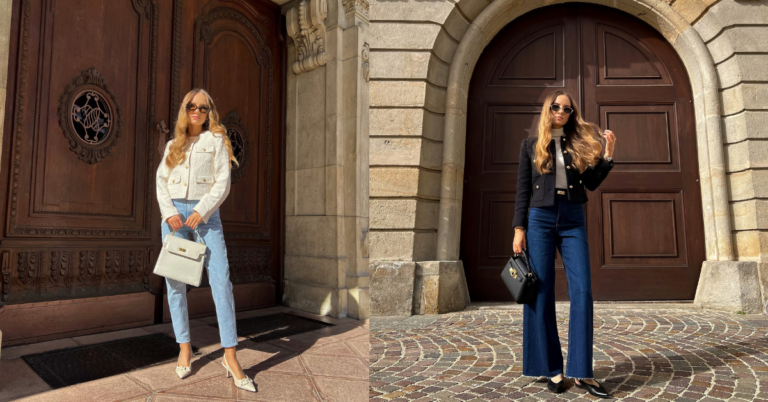


A church dress has a tricky job: it needs to look respectful and “put together,” but still feel like you. The reason it so often veers frumpy is not because “modest” equals “matronly.” It’s usually a proportion problem (too much fabric in the wrong places), a fit problem (pulling, gaping, or boxy), or a styling problem (the dress is fine, but the shoes, hair, and accessories drag it down).
The good news: you do not need a totally new wardrobe. You need a simple decision framework: choose a silhouette with shape, pick a length that moves well when you sit and walk, keep the neckline and sleeves church-appropriate for your community, and then add 1-2 feminine details that feel intentional (a waist, a softer fabric, a print, a neckline that flatters you, or a modern shoe).
Assumption I’m making: you want a dress that works for a typical Sunday service in the US where the vibe ranges from “smart casual” to “semi-dressy.” If your church is very traditional or has explicit expectations, prioritize those rules first. This won’t work if the dress code is strict and specific. In that case, treat this as a “within the rules, how do I still look like me?” guide.
Quick answer for skimmers
- Start with shape: a defined waist (real or created) prevents “sack” vibes.
- Aim for knee to midi length for the easiest “appropriate but modern” sweet spot.
- Pick one focal point: pretty sleeves, a wrap neckline, a print, or a belt. Not all at once.
- Choose fabrics that drape, not fabrics that stand away from the body (unless it’s intentionally structured).
- Keep “coverage” feeling elegant by using neckline + sleeve + lining instead of adding random layers.
- Shoes matter more than you think: a modern flat, low heel, or sleek sandal can instantly un-frump a simple dress.
- If you always feel “meh” in church dresses, your problem is probably proportion, not “taste.”
If you only do one thing: choose a wrap dress or fit-and-flare midi with a defined waist and a neckline you don’t have to fuss with all morning.
The decision framework: “If you want X, do Y”
If you want feminine (not frilly)
Do this:
- Look for shape + softness: wrap, fit-and-flare, belted shirt dress, tailored A-line.
- Add one soft detail: flutter sleeve, gentle pleats, subtle print, or a neckline that frames your face.
Avoid:
- Overly stiff fabric with no waist definition (it reads “uniform” fast).
- Too many “cute” details at once (bows + ruffles + tiny print often skews juvenile or busy).
If you want modest (not covered-up)
Do this:
- Choose a dress designed with coverage: higher back, stable neckline, sleeves you can raise your arms in.
- Prioritize lining and opacity so you are not constantly checking for sheerness.
Avoid:
- Buying a sleeveless or low neckline dress and trying to “fix it” with layers every time. It usually looks accidental.
If you want comfortable (not sloppy)
Do this:
- A little stretch is great, but you want structure somewhere (waist seam, wrap tie, belt, or shaped bodice).
- Do a “sit test” and “reach test” in the mirror before you commit.
Avoid:
- Knits that cling in every direction unless that’s genuinely the look you want.
- Fabrics that trap heat in summer (you’ll fidget and it shows). Natural fibers like linen and cotton can help in hot weather.
Common mistakes that create frumpy, and the fixes
- The dress is the wrong length for your height.
- Fix: hem it or choose petite/tall sizing. Midi can be gorgeous, but if it hits the widest part of your calf, it can feel heavy. (This is especially true if the skirt is also very full.)
- No waist definition anywhere.
- Fix: wrap styles, a belt, a tie waist, or a seam at your natural waist. A-line and fit-and-flare silhouettes are popular because they create shape without clinging.
- Too much fabric volume + too little structure.
- Fix: pick one: volume skirt or volume sleeve, not both. If the skirt is full, keep the bodice more fitted.
- “Modesty layers” that look like an afterthought.
- Fix: choose dresses with sleeves, higher necklines, or a matching topper. Random cardigans often age the outfit.
- Outdated accessory cues.
- Fix: modernize one thing: shoe shape, bag shape, earrings, or hair. You do not need a dramatic makeover.
The deep dive: how to pick the right dress, step by step
Step 1: Start with the silhouette (this does most of the work)
If you want the highest success rate, start here:
- Wrap dress (real wrap or faux wrap): feminine, adjustable, waist-defining, forgiving after brunch.
- Fit-and-flare / A-line: balanced and classic, especially good if you want modest without boxy.
- Belted shirt dress: polished, works for many churches, easy to re-wear for work or events.
- Sheath (with structure): sleek and grown-up, but it must fit well to avoid tugging or feeling too “office.”
I usually tell people to stop chasing variety for Sunday mornings. One good default silhouette (like a wrap midi) does more than ten “maybe” dresses.
Try-on test (2 minutes):
- Sit down: does it ride up uncomfortably?
- Reach overhead: does the neckline gape?
- Walk: does the skirt twist or cling?
- Bend slightly: are you adjusting constantly?
Step 2: Choose a length that looks intentional
For many churches, knee to midi is the easiest lane because it reads respectful and still modern.
- Knee length: fresh, light, easy with flats.
- Midi: elegant, especially with a defined waist and a slimmer shoe.
- Maxi: can be beautiful, but it’s easier to look heavy if the fabric is thick or the skirt is very full.
One honest trade-off (no fix): linen and cotton can look breezy and elevated, but linen wrinkles. If wrinkles drive you nuts, you might simply hate wearing it.
Step 3: Neckline and sleeves that feel feminine, not fussy
The goal is “secure.” If you feel secure, you look confident.
- V-neck (not plunging): elongates the neck, feels feminine without being revealing.
- Scoop or square neck: pretty and classic, especially if bra straps stay hidden.
- Boat neck: elegant, but check it doesn’t shift around.
Sleeves:
- Flutter sleeves, elbow sleeves, or short sleeves often read softer than cap sleeves.
- If you go sleeveless, some churches prefer shoulders covered. A light scarf or topper is a common workaround, especially when visiting churches with stricter norms.
Step 4: Fabric and drape (this is the frump-maker or frump-saver)
Fabric is where “feminine vs frumpy” often gets decided.
- For hot weather, breathable fibers like linen and cotton are widely recommended because they ventilate better than many synthetics.
- Viscose/rayon is often used in dresses because it drapes softly and can feel breathable, but quality varies by weave and blend.
Quick fabric tells in the fitting room:
- Hold it up to the light: is it sheer?
- Scrunch it in your fist: does it spring back or stay crushed?
- Let it hang: does it flow, or does it stick out stiffly?
Step 5: Color and print that feel “Sunday” without feeling older
There is no universal “church color palette,” but these tend to land well:
- Solids: navy, olive, burgundy, cream, soft pastels, black (especially in structured shapes).
- Prints: medium-scale florals, polka dots, abstract prints, subtle stripes.
What can skew frumpy:
- Tiny ditsy prints on a loose shape.
- Very dull, muddy colors combined with heavy fabrics.
- A print plus ruffles plus a bow. Pick one hero detail.
Step 6: Details that create femininity fast
Look for 1-2 of these:
- Waist tie, belt, or wrap
- Pleats that start at the waist (not randomly at the hip)
- Defined shoulders (even a small shoulder seam helps)
- Buttons that are actually secure (gaping buttons instantly look messy)
Step 7: Shoes and accessories (the “modernizer”)
You can make a very simple dress look current with one update:
Shoes:
- Pointed-toe flat, slingback, block heel, or a sleek sandal.
- Avoid chunky old platforms or overly ornate “occasion” shoes unless that is your style.
Accessories:
- One simple necklace or medium hoops.
- A structured bag instead of a slouchy tote.
This is optional. Skip it if you already have a shoe-and-bag combo that reliably works and you do not want another decision on Sunday morning.
Practical “Sunday-ready” formulas you can copy
- Wrap midi + low heel + small earrings
- A-line knee dress + structured flat + light cardigan/blazer (if needed)
- Belted shirt dress + loafers or sandals + simple necklace
- Sheath dress + cropped jacket + pointed flat
If you already have a routine that works, you can skip this section and go straight to the variations below.
Variations by use case (with real trade-offs)
1) Traditional church or conservative setting
- Choose: midi, sleeves, higher neckline, lined fabric.
- Works because: you will not second-guess yourself.
- Trade-off: fewer trendy cuts, and that is the point.
2) Modern church, casual vibe
- Choose: solid-color knit midi with structure, shirt dress, simple A-line with sneakers or sleek flats.
- Trade-off: if the knit is too thin, it can read “weekend errand dress.”
3) Summer heat (and you still want to look polished)
- Choose: cotton or linen blends, looser skirts with a defined waist.
- Trade-off: you may need to accept some wrinkling or choose a blend.
4) Winter services
- Choose: long sleeve midi, sweater dress with structure, tights and ankle boots.
- Trade-off: bulky layers can hide your waist, so prioritize a belt or shaped knit.
5) Petite
- Choose: knee length or a “short midi,” smaller prints, defined waist.
- Trade-off: true midi lengths can overwhelm if the hem hits mid-calf.
6) Curvy or plus size
- Choose: wrap, fit-and-flare, dresses with intentional seaming, thicker drape fabric that skims.
- Trade-off: very thin jersey can cling and feel less “church-ready,” even if it’s technically modest.
7) Nursing or pregnancy
- Choose: wrap, button-front shirt dresses, stretchy waist seams.
- Trade-off: you might prioritize function over the “perfect silhouette,” and that is completely fine.
FAQ
What length is safest if I’m unsure?
Knee to midi is the easiest “appropriate almost anywhere” range.
Do I have to cover my shoulders?
It depends on your church culture. Some communities expect it, others do not. If you are visiting a more traditional church, a light scarf or topper is a simple backup.
How do I avoid a dress looking “old”?
Modern shoe + modern bag, and make sure the dress has a waist or intentional structure.
Are bodycon dresses okay for church?
Some people wear them, but many churches lean away from very clingy fits. If you love the look, consider thicker fabric, a longer length, and a layer like a blazer.
What makes a dress look frumpy fast?
Boxy fit, unflattering length, stiff fabric, and accessories that feel dated.
Can I wear black to church?
Yes in many places, especially in a polished cut. It can read elegant and intentional.
What if I’m between sizes?
Size up if buttons pull, the waist feels tight when you sit, or the fabric strains. A slightly looser dress that can be belted usually looks better than one that pulls.
Just a little note - some of the links on here may be affiliate links, which means I might earn a small commission if you decide to shop through them (at no extra cost to you!). I only post content which I'm truly enthusiastic about and would suggest to others.
And as you know, I seriously love seeing your takes on the looks and ideas on here - that means the world to me! If you recreate something, please share it here in the comments or feel free to send me a pic. I'm always excited to meet y'all! ✨🤍
Xoxo Alessandra