

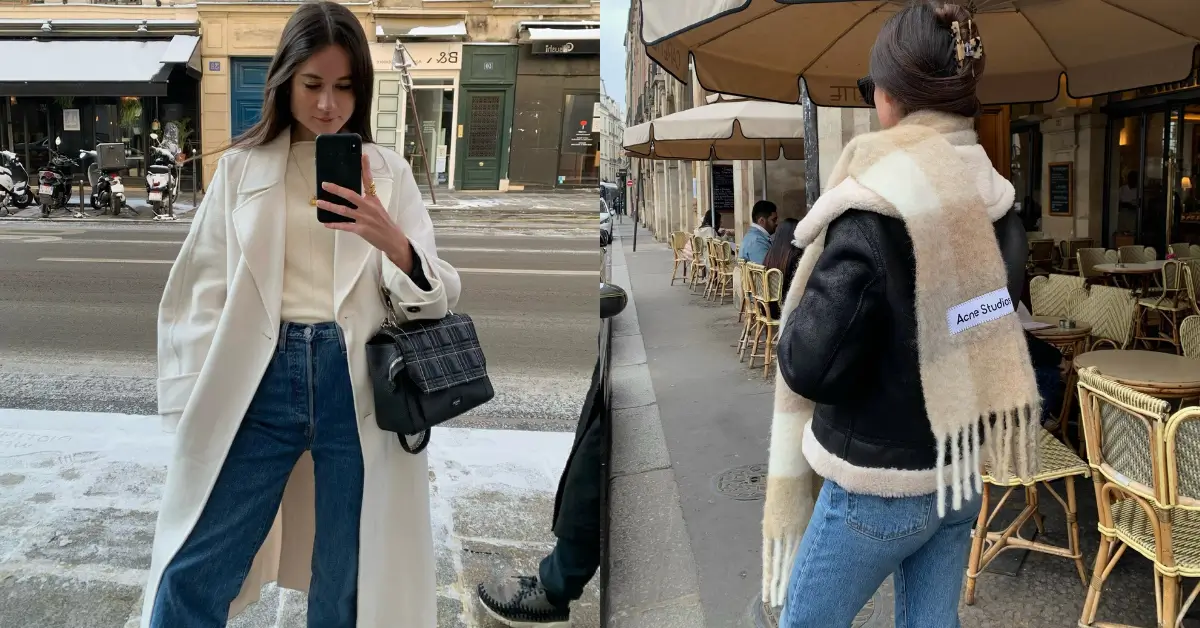
Styling rules sound restrictive, but the right ones actually make getting dressed easier. When you don’t have a few clear principles, you end up relying on guessing, trends, or copying outfits that don’t fit your life. That’s when your closet feels full, yet nothing feels quite right. Style gets simpler when you understand what creates a cohesive look, and why.
Many people assume rules mean you must dress for a body “type” or follow strict dos and don’ts. You don’t. Think of these as repeatable guidelines that help you control proportions, color, and polish without losing your personality.
In this article, you’ll learn the styling rules every woman can use to build better outfits with the clothes you already own. We’ll cover how to create balance without overthinking, how to make outfits look intentional fast, and how to avoid the most common mistakes that make looks feel unfinished. You’ll walk away with tools you can apply in minutes, not theories you’ll never use.
Rule 1: Your Underwear Is the Foundation of Everything
I know, I know – not the glamorous start you were expecting. But hear me out. When you’re wearing the wrong underwear, it shows. Maybe not visibly, but you’re constantly adjusting, your posture is different, you’re uncomfortable. It just doesn’t work.
My biggest recommendation? Go get a proper bra fitting at a department store. Not Victoria’s Secret – an actual department store with professionals who do this as a service. I cannot tell you how many clients have come back to me after doing this saying it changed their life. Your posture looks different, everything sits better, you just look more put together.
Same goes for panties: seamless, nude-colored, breathable natural fabrics. It’s not about looking great – it’s about feeling cinched in and polished from the inside out, even if nobody sees it.
Rule 2: Pick One Bold Thing and Let It Lead
Red lips, big earrings, sparkly dress, high heels, plunging neckline, short hemline – all at once? That’s not a look, that’s chaos. It drowns your message and it drowns you.
Pick one thing to be your hero piece and let everything else support it. Going out? Bold lip, but minimalist earrings and an elegant dress. Wearing a statement blazer with a cool print? Keep the rest simple and sleek. One focal point. That’s it. You’ll look intentional instead of like you’re trying too hard.
Rule 3: Color Should Make You Look Alive, Not Just Stylish
Certain colors, especially near your face, can make you look glowing and vibrant – or tired and like you haven’t slept in three days. This comes down to your undertone (warm or cool).
The classic test: look at your veins in natural daylight. Mostly blue? You’re probably cool-toned. Mostly green? Warm-toned. Both? You’re neutral (lucky you). When I first did this test, I was honestly confused – it takes practice. There are great apps and AI tools now that can help with color analysis, or you can do it professionally.
But here’s my real advice: once you know your colors, don’t let it put you in a box. You can wear any color you like as long as it supports your goals and works with your wardrobe.
Rule 4: Accessories Are Your Shortcut to Looking Polished
Oh, my journey with accessories has been a long one. They used to confuse me so much – what goes with what? How much is too much?
Here’s the hack I finally landed on: wear basic accessories. And by “basic” I mean clean lines, either gold or silver (or both), structured and modern. Hoop earrings, chain necklaces, simple rings. When all your accessories share that invisible thread of clean structure, they automatically look good together and work with any outfit.
I’ve completely eliminated accessory decision fatigue this way. No more random impulse buys that don’t match anything. Just simple, elegant pieces that go with everything I own.
Rule 5: Dress to Create the Illusion You Want
Illusion dressing is about using where clothes begin and end to create your ideal silhouette. You can draw attention to parts you want to accentuate and away from parts you don’t.
Universal tip: accentuate your waist. Add a belt whenever you can – it draws the eye to the slimmest part of your body. Tuck your shirt into high-waisted pants (thank goodness those are back). If you’re petite like me and want to look taller, match your shoe color to your pants. White pants, white shoes. Nude pants, nude shoes. It creates one long line.
Broad shoulders? V-necks draw the eye down. Fuller hips? Bring attention up to your shoulders and upper body. It’s all about balance.
Rule 6: Fit Is More Important Than Price
A cheaper item that fits perfectly will look more expensive than an expensive item that doesn’t fit right. This is non-negotiable.
If you’re between sizes or have a fuller bust, order a size up and take it to a tailor. Spending $20-30 on tailoring is worth every penny. Before you buy anything, look in a full-length mirror – including from behind. If something doesn’t sit right, either don’t buy it or commit to tailoring it. Otherwise, you’ll just feel uncomfortable and it won’t look good.
Rule 7: Build a Signature Look to End Decision Fatigue
The most stylish people in the world have a uniform. They repeat outfits constantly. Your job is to find yours.
Maybe it’s a blazer with wide-leg pants. Maybe it’s a white tee with great jeans. Maybe it’s boho dresses with ankle boots. Whatever makes you feel confident – that’s your formula. Repeat it.
But here’s the key: don’t buy the same piece in five different colors. You’ll get bored instantly. Instead, vary texture and pattern. Get a classic gray blazer, then a patterned one, then maybe a tweed or leather one. Same silhouette, different feels. That’s how you keep it interesting while staying in your formula.
Rule 8: Your Bag Is Part of Your Shape
Your bag isn’t just an accessory – it’s part of your entire silhouette. And honestly? You only need three: a big tote for work and errands, a medium bag for dates and casual dinners, and a small clutch for formal events.
Styling Rules You Should Learn Once and Use Forever
Style gets easy when you understand a few rules that work in any closet. These aren’t strict. They’re decision tools you can use when you feel stuck.
The most useful styling rules:
-
Balance volume. If one piece is loose, keep the other piece cleaner or fitted.
-
Show one intentional point. Waist, neckline, or ankle. One is enough to look styled.
-
Keep your palette tight. Too many colors can look chaotic fast.
-
Repeat something. Repeat a color, texture, or shape so the outfit feels cohesive.
-
Finish the outfit. Shoes and bag decide if the look feels polished.
Common mistakes:
-
Adding too many “interesting” pieces and losing the outfit’s message.
-
Ignoring fit and hoping trends will save it.
-
Wearing a great outfit with random shoes.
If you follow balance, color control, and a strong finish, you’ll look stylish without overthinking it.
Just a little note - some of the links on here may be affiliate links, which means I might earn a small commission if you decide to shop through them (at no extra cost to you!). I only post content which I'm truly enthusiastic about and would suggest to others.
And as you know, I seriously love seeing your takes on the looks and ideas on here - that means the world to me! If you recreate something, please share it here in the comments or feel free to send me a pic. I'm always excited to meet y'all! ✨🤍
Xoxo Alessandra