
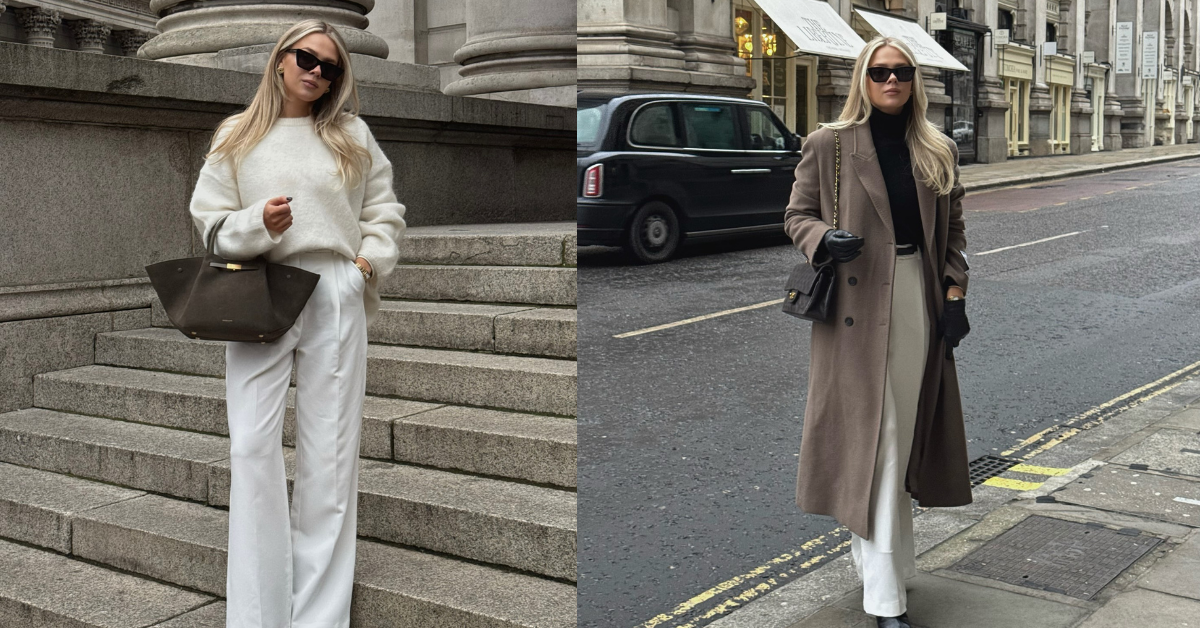
The easiest way to feel “put together” isn’t buying more clothes. It’s building one outfit that can flex across your day without you having to go home and restart.
Because real life rarely stays in one lane. You run errands, then a friend suggests dinner, then someone texts, “Are you coming to the thing?” And suddenly you’re either underdressed and annoyed, or overdressed and self-conscious, or you spend money on an outfit you only wear for one very specific moment.
This is the fix: create a base look that sits in the middle, then learn three quick “switches” that change the vibe without changing your whole identity.
You’ll end up with:
- one outfit you can repeat without boredom
- a simple formula for upgrades and downgrades
- less closet chaos and fewer last-minute panic changes
And no, this is not about looking perfect. It’s about giving yourself a default that makes your day easier.
Quick answer for skimmers
- Pick a neutral base: one top + one bottom + one shoe that already reads “nice casual.”
- Build around structure (a blazer, a good jacket, tailored pants) or polish (sleek shoes, a bag, jewelry). You only need one.
- Use the 3-switch method to change the vibe fast:
- shoes
- outer layer
- accessories or hair
- Keep one “bridge piece” in your car or tote: a blazer, cardigan, scarf, or nicer earrings.
- Errands = comfort-first polish. Dinner = a little glow. Events = one statement, not ten.
- If you only do one thing: make your base outfit slightly more elevated than your most casual life.
The decision framework: your base should sit in the middle
Think of your day on a scale:
Very casual: gymwear, slides, distressed pieces, loud graphics
Middle: neat, simple, intentional
Dressy: statement dress, formal shoes, event fabrics
Your base should live in the middle, then you can nudge it down for errands or up for events.
A simple rule that works
Start with an outfit you’d feel okay wearing to dinner. Then make it more comfortable for errands, and more special for events.
That’s the direction that prevents you from feeling sloppy later.
Build the base outfit: “polished simple”
Here are 5 base formulas that work for most wardrobes. Choose one and stick to it for a month. Seriously.
Base Formula A: Straight-leg jeans + elevated knit + clean shoes
- Dark or mid-wash straight-leg jeans (no rips)
- A fitted or semi-fitted knit top
- White sneakers or sleek flats
Why it works: denim is casual, but the knit and clean shoes keep it intentional.
Base Formula B: Tailored trousers + simple tee + third piece
- Trousers (wide-leg or tapered)
- Plain tee or tank with good coverage
- Third piece: cardigan, denim jacket, lightweight blazer
Why it works: trousers automatically raise the floor of the outfit.
Base Formula C: Midi skirt + tee + structured layer
- Midi skirt (satin, knit, or cotton poplin)
- Tee or lightweight sweater
- Jacket or cardigan
Why it works: skirt reads “planned,” tee reads “approachable.”
Base Formula D: Simple dress + layer + day shoe
- Solid-color dress (midi is easiest)
- Layer: cropped jacket, cardigan, blazer
- Shoe: sneaker, flat, or low boot
Why it works: a dress is one-and-done. The layer controls the vibe.
Base Formula E: Matching set (knit or linen blend) + better accessories
- Simple set in a neutral
- Minimal jewelry
- Clean shoe
Why it works: sets look intentional even when you feel lazy.
Pick your base based on your real life. If you hate skirts, don’t force it. If you never wear heels, don’t build a system that relies on them.
Step 1: Errands version (comfortable but not sloppy)
Errands are about movement, weather, and not caring too much. But you still want to look like you chose your outfit on purpose.
The errands switches
- Shoes: sneakers, flat boots, supportive flats
- Outer layer: denim jacket, utility jacket, casual cardigan
- Bag: crossbody or tote that holds your life
- Accessories: keep it minimal (small hoops, watch)
Small details that do a lot
- sleeves pushed neatly, not randomly
- tucked or half-tucked top
- hair pulled back cleanly
This won’t work if your errands involve heavy physical stuff (moving boxes, messy projects, long bike ride). In that case, wear what you need and don’t try to style it. The outfit system is meant to serve you, not guilt you.
Example
Base B (trousers + tee + third piece) becomes errands-ready with:
- sneakers
- utility jacket
- crossbody bag
- hair in a low bun
Step 2: Dinner version (same outfit, but warmer and sharper)
Dinner is where people get stuck because it’s not “formal” but it’s not “daytime.” The trick is not changing everything. It’s adding one element that reads intentional.
The dinner switches
- Shoes: swap to loafers, ankle boots, heeled boots, sleek flats
- Outer layer: switch to a blazer, leather jacket, or more fitted coat
- Accessories: add one focal point (earrings, necklace, or a bold lip)
- Bag: smaller bag, cleaner lines
Dinner styling is mostly about contrast:
- if the outfit is soft, add structure (blazer)
- if the outfit is structured, add softness (silk scarf, delicate jewelry)
Example
Base A (jeans + knit) becomes dinner-ready with:
- heeled boots
- blazer
- small shoulder bag
- statement earrings
Step 3: Event version (make it look like you meant it)
“Event” can mean a birthday, work thing, networking, gallery opening, holiday dinner, date night somewhere nice. The key is the same:
The event rule
One statement, everything else calm.
If you try to upgrade shoes, bag, jewelry, hair, makeup, and the outfit all at once, you usually end up feeling like you’re playing dress-up. Pick one area to go big.
The event switches
- Statement shoe (boots, heel, metallic flat) OR
- Statement jewelry (bold earrings) OR
- Statement outer layer (sharp blazer, dramatic coat) OR
- Statement bag (small structured bag)
Then keep everything else clean and quiet.
Example
Base D (simple dress + layer) becomes event-ready with:
- sharper shoe
- structured clutch
- bold earrings
- same dress, same layer
Here’s the trade-off (and I’m not going to pretend there’s a perfect solution): if your base outfit is very casual (like distressed denim and sneakers), it can still look casual at an event no matter how many accessories you pile on. You can dress it up, but the “casual DNA” remains. Sometimes the real answer is choosing a slightly more elevated base.
Step 4: The principle that makes this work
This is the core idea:
The “one outfit, three lives” principle
Your outfit should have one anchor of polish built in.
That anchor can be:
- structure (tailored trousers, blazer, clean coat)
- fabric (satin skirt, good knit, crisp cotton)
- shoe (sleek boot, loafer, minimal sneaker)
- color story (neutrals or a controlled palette)
If your base has no anchor, you’ll have to “work” too hard to make it event-ready.
If you want this to feel effortless, build the anchor into the base.
Routines: how to do this fast on real mornings
You don’t need a new wardrobe. You need a repeatable routine.
The 90-second check
Before you leave:
- Do I have one polished anchor? (shoe, layer, fabric, or structure)
- Does anything look accidentally sloppy? (wrinkles, stains, worn-out shoes)
- Can I sit, walk, and move without adjusting?
The “bridge piece” routine
Keep one of these near your door or in your car:
- blazer
- nicer earrings
- scarf
- a small bag
- lipstick
If your day changes, you have a quick switch without going home.
This is optional. Skip it if you hate managing extras and you know you won’t maintain it. The system still works without it.
The “default outfit” habit
Choose one base formula and repeat it. Change the top color, change the jacket, change the shoe. That’s enough variety.
I usually tell people to stop chasing a different outfit for every scenario. One good default outfit makes decision fatigue disappear.
The three biggest mistakes people make
1) Starting too casual
If your base is leggings + oversized hoodie, “dinner” requires a full outfit change. Choose a base that can stretch up.
2) Trying to upgrade with too many signals
If you add heels, bold jewelry, a glittery bag, and a dramatic jacket, you stop feeling like you. Pick one statement.
3) Ignoring the condition of basics
A $15 tee that fits perfectly and looks fresh reads better than an expensive top that’s stretched out or pilled.
Outfit examples you can copy
Here are three complete “one outfit, three lives” sets.
Look 1: Jeans + knit top (best for casual-to-social days)
Base
- straight-leg dark jeans
- fitted knit top
- clean white sneaker
Errands
- sneaker
- denim jacket
- crossbody
Dinner
- ankle boot or loafer
- blazer
- earrings
Event
- heeled boot or sleek pointed flat
- statement earrings
- small structured bag
Look 2: Trousers + tee (best for work-to-evening)
Base
- tailored trousers
- plain tee
- loafers
Errands
- switch loafers to clean sneakers
- add casual jacket
- tote bag
Dinner
- back to loafers or heeled boot
- add blazer
- lipstick or necklace
Event
- statement shoe OR statement blazer
- small bag
- keep tee simple so it looks intentional
Look 3: Midi dress (best for low-effort polish)
Base
- solid midi dress
- cardigan or cropped jacket
- flat or sneaker
Errands
- sneaker
- casual jacket
- tote
Dinner
- ankle boot
- fitted jacket
- earrings
Event
- sharper shoe
- statement jewelry
- clean hair, simple makeup
Options and variations by lifestyle
If you hate accessories
Make the shoe the upgrade. Keep jewelry minimal, swap footwear and outer layer.
If you live in sneakers
Pick a sleek sneaker as part of your base, then have one “dress sneaker” option and one boot. That alone creates range.
If you run cold
Your anchor can be a great coat. A structured coat instantly upgrades simple outfits.
If you run hot
Use fabric as the anchor: crisp cotton, linen blends, lightweight knits. Keep layers light but intentional.
If you’re in a creative city
Your event switch can be one interesting piece: sculptural earrings, a bold bag, or a cool jacket. Keep everything else clean.
If your schedule is unpredictable
Some days, prep won’t stick. And that’s fine. The goal isn’t perfection, it’s fewer bad outfit moments.
FAQ
Do I need heels for the event version?
No. A sleek flat, sharp boot, or elevated loafer can read event-ready if the rest of the outfit is intentional.
How do I avoid looking overdressed at dinner?
Keep the base casual and upgrade only one thing: blazer or jewelry or shoe. Not all three.
What’s the easiest base if I’m not confident in styling?
A simple dress. One piece, fewer decisions.
What if my errands are messy and my dinner is nice?
Wear the base, keep a bridge piece (blazer, earrings, small bag) in your car, and swap shoes if you can.
How many pieces do I actually need?
Honestly: 1 base bottom, 2 tops, 1 layer, 2 shoes, 1 bag. That’s enough to make this work.
How do I make it look different so people don’t notice I repeat outfits?
Most people don’t notice. But if you want variety, change one visible item: outer layer or shoe. That’s all.
The simplest way to start today
Pick one base formula and build your three switches:
- Base: middle-of-the-road polished
- Errands switch: comfort shoes + casual layer
- Dinner switch: sharper shoe + cleaner bag
- Event switch: one statement piece
Do that once, and you’ll stop feeling like you need a whole new outfit every time your plans change.
Just a little note - some of the links on here may be affiliate links, which means I might earn a small commission if you decide to shop through them (at no extra cost to you!). I only post content which I'm truly enthusiastic about and would suggest to others.
And as you know, I seriously love seeing your takes on the looks and ideas on here - that means the world to me! If you recreate something, please share it here in the comments or feel free to send me a pic. I'm always excited to meet y'all! ✨🤍
Xoxo Alessandra