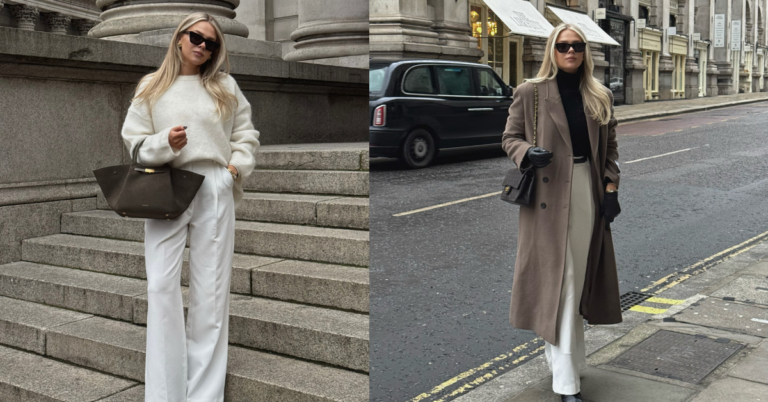

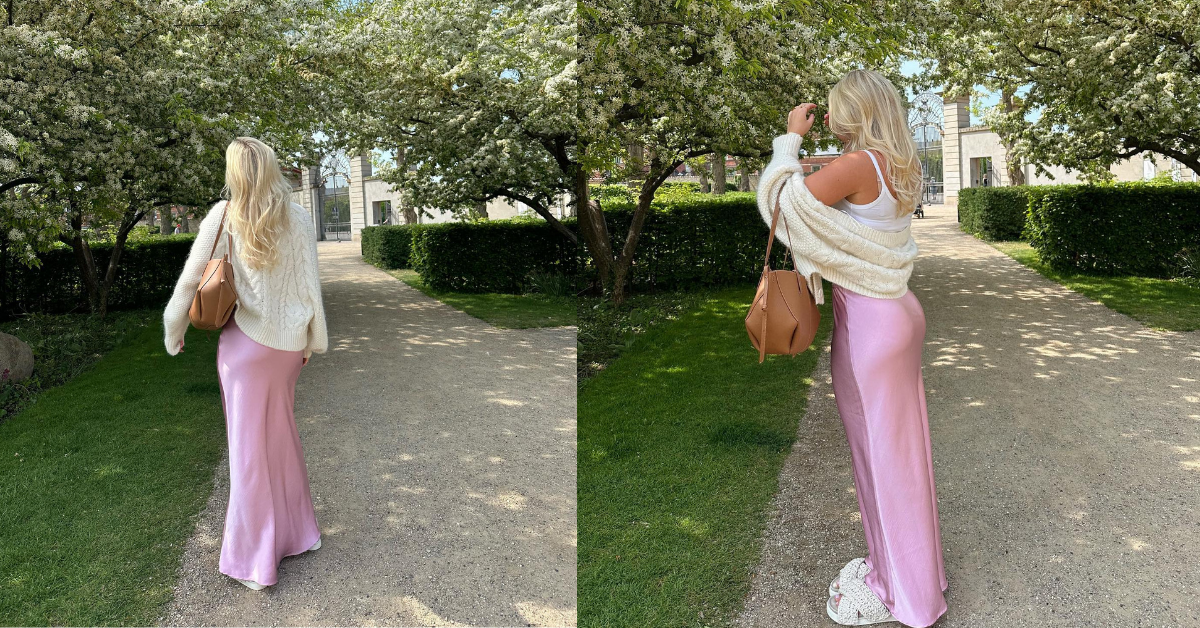
Church outfits are tricky because you’re not dressing for one universal “event.” You’re dressing for a community. In one place, jeans and sneakers are the norm. In another, people show up in suits, hats, and polished shoes like it’s a celebration. And if you guess wrong, the discomfort is real: you spend the whole service tugging your hem down, wishing you’d brought a layer, or feeling like you showed up to brunch when everyone else dressed for a wedding.
The goal is not to “look religious.” It’s to look respectful, feel like yourself, and avoid drawing attention for the wrong reasons. That usually comes down to three things: neatness, modesty (in the broad “not distracting” sense), and matching the room’s level of formality.
Also, here’s the good news: most churches are genuinely glad you came. In many communities, nobody is rating your outfit. But you want to feel comfortable. This guide gives you a simple way to land in the middle, plus plug-and-play outfit formulas for different church vibes.
Quick answer for skimmers
- If you’re unsure, aim for clean, neat, “business casual”. It’s the safest middle ground.
- Choose one step dressier than your everyday errand outfit.
- Prioritize fit and condition over “fancy.” A crisp simple outfit beats a flashy one.
- Avoid the common “too casual” signals: gym clothes, beach shoes, ripped items, loud slogans. (A lot of churches explicitly discourage distracting messages.)
- Avoid the common “too overdressed” signals: very formal eveningwear, heavy sparkle, extreme heels, or anything that feels like you’re trying to make an entrance.
- Bring a layer (cardigan, blazer, scarf). It fixes 80 percent of “I misjudged this” situations.
- When in doubt about modesty, use the simple standard many religious sites enforce: covered shoulders, not-short shorts/skirts, and a generally “decent” look.
If you only do one thing: build a “default church outfit” you can grab when you don’t want to think.
The decision framework: match the room in 3 checks
1) How formal is this church?
Use these clues:
- Building and tradition: older, liturgical settings often run dressier (but not always).
- Service type: “traditional,” “Mass,” “Divine Liturgy,” “high church” tends to skew dressier than a casual contemporary service.
- Time: earlier services can be slightly dressier in some communities.
- Region: small towns and the U.S. South can skew “Sunday best.” Big cities vary widely.
If you can’t tell, choose the middle.
2) What is the “respect line” here?
Different churches define “respectful” differently, but the overlap is consistent:
- Not distracting
- Not sexually revealing
- Not sloppy
Some organizations say this outright, framing it as avoiding distraction during worship.
3) What will help you focus?
This is the part people skip. If your outfit is itchy, too tight, too short when you sit, or you’ll be freezing, you won’t be present.
This won’t work if you’re determined to wear something you already know will make you self-conscious. In that case, you’ll spend the whole time thinking about your clothes, not the service.
Common mistakes (and quick fixes)
- Overcorrecting into “costume”
- Fix: dress like yourself, just slightly elevated. Think “your nicest normal.”
- Confusing casual with careless
- Fix: keep it clean, pressed enough, and intentional. Casual can be respectful.
- Choosing “Instagram formal”
- Fix: church formal is usually quiet (structured, modest, neat), not “event glam.”
- Ignoring movement
- Fix: sit-test at home. If you’re tugging when you sit, it’s probably too short. (This comes up often in modesty guidance.)
- Forgetting the layer
- Fix: bring a cardigan, blazer, or scarf. Even if you don’t wear it, it’s your safety net.
Step 1: Start with a “middle outfit” formula
If you want a repeatable way to nail it, use this formula:
The safest outfit level: “polished simple”
Pick one from each line:
Tops
- Collared shirt
- Simple blouse
- Knit top with sleeves + a layer
Bottoms
- Dark jeans with no rips (only if the church seems casual)
- Chinos or tailored trousers
- Knee-length or longer skirt
Shoes
- Loafers, flats, simple boots
- Clean sneakers can work in very casual churches
- Avoid flip-flops unless you know it’s that kind of place
Layer
- Cardigan
- Blazer
- Structured jacket
- Scarf/shawl (also helpful for shoulder coverage in stricter settings)
I usually tell people to stop chasing variety for this and just create one good default outfit. One reliable go-to does more than ten “maybe” options.
Step 2: Know what reads “too casual” (even if it’s expensive)
A lot of “too casual” isn’t about price. It’s about context signals:
- Gymwear (leggings as pants, workout sets)
- Graphic tees with loud slogans (often discouraged)
- Very short shorts/skirts
- Visible underwear or see-through fabrics
- Ripped or heavily distressed denim
- Beach footwear
If you’re visiting someplace with stricter decorum rules (think famous religious sites), they can be explicit about what’s not allowed. For example, Vatican Museums states that sleeveless/low-cut garments, shorts above the knee, miniskirts, and hats are not permitted, and that entry requires appropriate dress.
That’s not every church, obviously, but it shows the “direction” of what many communities consider respectful.
Step 3: Know what reads “too overdressed”
Being overdressed is less about “wearing a dress” and more about looking like you’re headed to a gala:
- Sequins, heavy sparkle, dramatic glam makeup
- Super formal eveningwear fabrics (satin gowns, very high-shine looks)
- Extreme stilettos (also a comfort issue)
- Overly flashy accessories
A simple way to stay grounded: if the outfit would look normal at a daytime wedding, it might be a bit much for an average Sunday service unless that church really does “Sunday best” in a big way.
Here’s the trade-off with no perfect fix: if you genuinely love dressing up and your church is casual, you might always feel slightly “extra.” You can soften it with simpler pieces, but you may still stand out. Some people are fine with that. Some aren’t.
Step 4: The “modesty without awkwardness” principle
Modesty is a loaded word, so I’ll define it practically: choose coverage and fit that won’t distract you or other people.
You don’t need to dress like you’re from another era. You just want to avoid the common friction points:
- Necklines that need constant adjusting
- Very short hems that ride up when you sit
- Tight pieces that feel more “night out” than “daytime gathering”
- Sheer fabrics without lining
If you want a universal guideline that rarely gets you in trouble: covered shoulders, mid-thigh or longer hems (knee-length if you want maximum safety), and nothing skin-tight. That lines up with many formal religious-site rules, even if your local church is more relaxed.
Routines: how to get dressed fast without second-guessing
This is where people spiral, so keep it simple.
The 3-minute Sunday routine
- Start with your default outfit base (top + bottom).
- Add one “respect signal”: layer, belt, nicer shoes, or simple jewelry.
- Do the quick checks: clean, comfortable, sit-test, weather.
If you already have a routine that works, you can skip this section and go straight to the variations below.
Pack-a-layer trick
Keep a neutral cardigan or blazer near your door. If you’re underdressed, it upgrades you instantly. If you’re overdressed, take it off and you’re back in the middle.
Optional: the “car kit”
This is optional. Skip it if you’d never maintain it.
- Spare scarf/shawl
- Hair tie
- Tiny lint roller
- Band-aid (new shoes happen)
Variations: what to wear by church style
1) Traditional liturgical (Catholic, Orthodox, Anglican-type services)
What usually works:
- Dresses or skirts (knee-length or longer)
- Trousers with a blouse or collared shirt
- Closed-toe shoes or simple flats
- A layer that feels respectful (cardigan, blazer)
Head coverings: some traditions use them, many don’t. If you’re unsure, don’t feel required.
If you’re visiting a major site like Sistine Chapel or St. Peter’s Basilica as part of travel, assume stricter decorum (shoulders covered, no shorts above the knee, hats off indoors).
2) Contemporary evangelical (band, casual vibe)
What usually works:
- Dark jeans + a neat top + sneakers/boots
- Casual dress + denim jacket
- Chinos + polo or button-down
Your main goal here is to avoid “I just rolled out of bed” signals while still fitting the relaxed vibe.
3) “Sunday best” culture (often seen in many Black church communities)
In some communities, dressing up is part of the tradition and joy of worship and has real cultural history.
What usually works:
- Dresses, suits, hats, coordinated sets
- More color and statement pieces than you’d see elsewhere
- Polished shoes, intentional accessories
If you’re new, you don’t have to match the boldest looks. Just aim neat and respectful. You can participate more over time if you want.
4) The Church of Jesus Christ of Latter-day Saints (LDS) style services
A common expectation is traditional “Sunday dress”: men often in suits/sport coats and ties; women in modest dresses/skirts.
If you’re visiting and you’re not dressed that way, you’re still very likely to be welcome. But if you want to blend in, go slightly more formal than average.
5) Summer church (when it’s hot)
This is where people accidentally drift too casual.
- Choose breathable fabrics: cotton, linen blends
- Pick looser silhouettes instead of shorter ones
- Bring a light scarf or thin cardigan for coverage inside (AC can be intense)
6) Special services: weddings, baptisms, holidays
Go one notch dressier than your normal Sunday:
- Better shoes
- Slightly more structured layer
- Nicer fabric or a tailored piece
FAQs
Can I wear jeans to church?
Often yes, especially in casual churches. If you’re unsure, choose dark, clean, non-ripped jeans and pair them with a nicer top and shoes.
Are leggings okay?
Only if you know the church is very casual and your top provides coverage (tunic length). If you’re visiting for the first time, leggings are one of the riskiest “too casual” signals.
Do I need to cover my shoulders?
Not always, but it’s a safe move in more traditional settings, and it’s explicitly required in some religious sites.
A light layer solves this without changing your whole outfit.
What about hats?
It varies a lot. Some churches and traditions embrace hats, others expect hats off indoors (especially for men). Formal site rules can be strict about hats.
If you’re unsure, skip the hat.
Is it disrespectful to dress casually?
Not automatically. Being casual is not the same as being irreverent. There are thoughtful arguments that clothes don’t determine spiritual sincerity either way.
But if your casual outfit is distracting or sloppy, you might feel out of place.
What should kids wear?
Aim for “clean, comfortable, and photo-ready.” Kids grow fast and churches know that. A neat outfit that lets them move is better than something stiff they’ll fight all morning.
How do I avoid feeling judged?
Wear something you’d feel okay meeting a friend’s parents in. Then stop adjusting yourself. Most people are focused on their own lives, and many churches actively try to be welcoming.
What if I’m visiting and I still get it wrong?
Bring a layer. Dress neatly. Be kind. That covers most of it.
Just a little note - some of the links on here may be affiliate links, which means I might earn a small commission if you decide to shop through them (at no extra cost to you!). I only post content which I'm truly enthusiastic about and would suggest to others.
And as you know, I seriously love seeing your takes on the looks and ideas on here - that means the world to me! If you recreate something, please share it here in the comments or feel free to send me a pic. I'm always excited to meet y'all! ✨🤍
Xoxo Alessandra