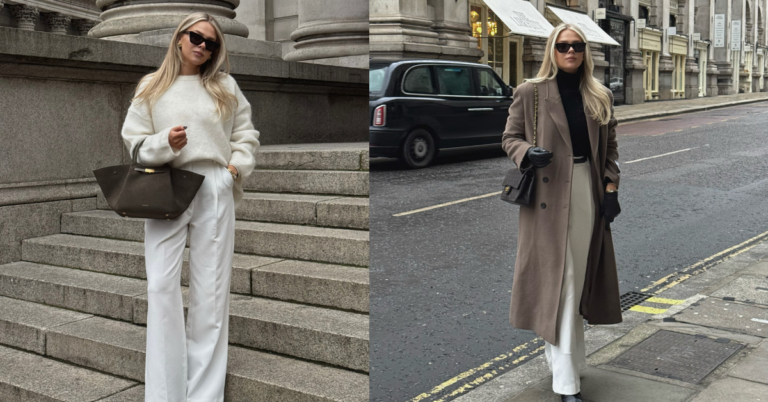

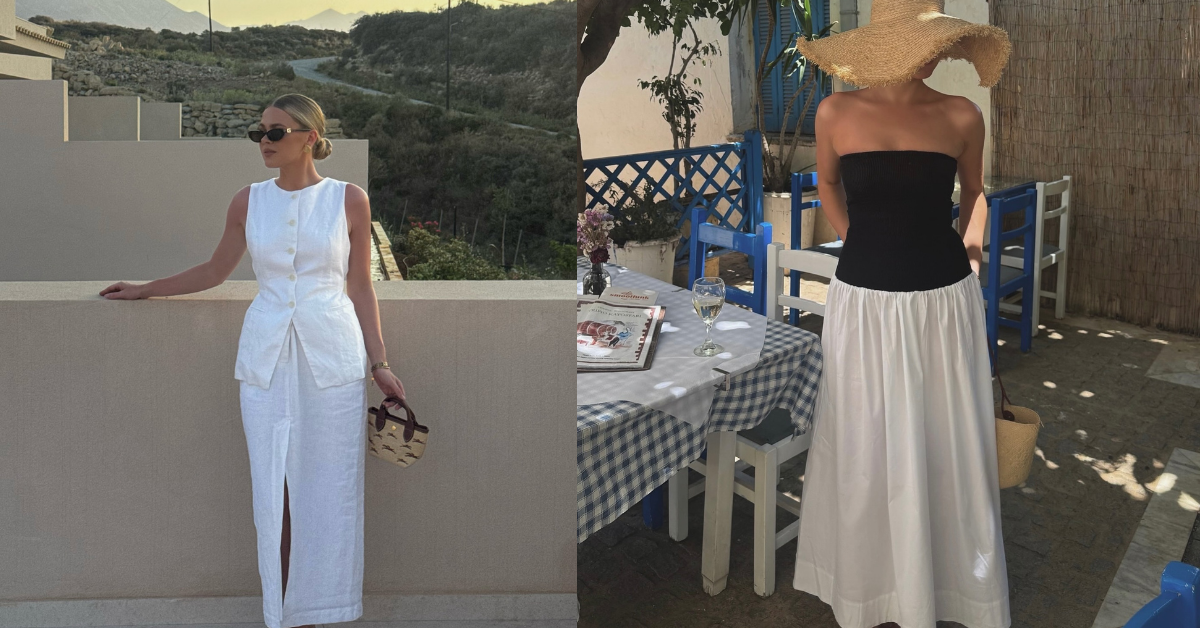
If you have ever put on a “modest” dress that looked perfect on the hanger but suddenly felt sheer in sunlight or glued itself to your hips when you walked, you already know the problem: modesty is not just about coverage. It is about fabric behavior. Opacity (how much light passes through), drape (how the fabric falls), stretch (how much it hugs), and surface friction (how it grabs tights, slips, or skin) can make the same dress pattern feel either effortless or stressful.
The good news is that you do not need to memorize a hundred fabric names. You need a simple way to predict two things before you buy:
- Will it show what I do not want it to show (skin, underwear lines, leggings pocket outlines)?
- Will it cling to my body (especially when I move, sweat, sit, or layer)?
Below is a practical framework you can use in a store or while shopping online, plus specific fabric picks that usually behave well for modest dresses.
Quick answer for skimmers
- Opacity comes from density, not just “thickness.” Weave/knit structure and yarn spacing matter as much as weight. Cover factor is literally the idea of how much surface is filled by yarns versus gaps.
- Wovens usually cling less than knits because they have less stretch and “stand off” the body more easily. Knits stretch and follow curves, which can be great, but can also hug.
- Use GSM as your first filter online. GSM means grams per square meter, a common fabric weight measure. Higher GSM often means more coverage, but fiber and construction still matter.
- Your best everyday modest-dress fabrics (unlined or lightly lined): cotton poplin, cotton sateen, twill, denim chambray, linen blends, midweight crepe, ponte knit. (Choose based on climate and the silhouette you want.)
- Sheer-risk fabrics (unless lined/underlined): chiffon, voile, lawn, many georgettes, light rayon challis. Chiffon is typically known for being sheer.
- Cling-risk fabrics: slinky rayon-spandex jerseys, thin poly knits, some satins. Rayon blends are often described as clingy because of their drape.
- If you hate lining, choose structure instead: poplin, twill, ponte, double-knit, or layered constructions.
- Static is a real reason cling happens. Dry air + friction = more static, especially with synthetics.
If you only do one thing: do a light test + stretch test before you commit. If you can see a clear outline of your hand through one layer under a bright light, plan to line/underline or choose a denser fabric.
The decision framework (use this every time)
Step 1: Decide what “modest” needs to mean for your life
Ask yourself three practical questions:
- Lighting: Will you wear it in direct sun, office fluorescents, or mostly indoors? Sunlight reveals sheerness fast.
- Movement: Do you walk fast, climb stairs, carry kids, sit on the floor, or commute? Movement is when cling shows up.
- Layering: Do you plan to wear leggings/tights, a slip, or shapewear? Layering can reduce sheerness but can increase cling if fabrics grab each other.
A quick personal rule: if you want a dress that feels “put on and forget,” aim for a fabric that is naturally opaque enough that you are not constantly negotiating light and angles.
Step 2: Predict opacity using three signals
You can measure opacity in labs via light transmission or spectrophotometric methods (there are formal textile test approaches around light blocking).
At home or in-store, you can get surprisingly close with these signals:
- Construction density (biggest factor)
- Tighter weave or knit = fewer gaps = more coverage. Cover factor is the engineering concept behind this.
- Weight (GSM) as a shortcut
- GSM is literally fabric weight in g/m².
- Higher GSM often helps, but it is not foolproof: a heavy knit can still cling, and a lighter but very tight weave can still be opaque.
- Color and finish
- Pale colors, pastels, and some bright reds tend to show more.
- Smooth finishes (some satins) can highlight outlines even if they are not technically sheer.
Step 3: Predict cling with four signals
Cling usually comes from one of these:
- Stretch (especially in knits)
Knits expand and follow curves because of their loop structure and elasticity. That is why they are often worn close to the body. - Drape (slinky fabrics “fall onto” you)
Rayon and rayon blends are frequently chosen for drape, but that same drape can make them show every outline unless the cut is roomy. - Static (fabric-to-fabric friction in dry air)
Static is worse in dry conditions and can make skirts cling hard. - Surface friction between layers
A dress fabric that drags on leggings can cling even if it would not cling on bare skin.
This won’t work if you are trying to make a very fitted sheath dress out of a cling-prone knit and hoping the fabric will “behave modestly.” In that case, the pattern and fabric are fighting each other, and fabric rarely loses that fight.
Two fast tests you can do in 20 seconds
The light test (opacity)
Hold the fabric over your hand or phone screen flashlight:
- If you can clearly see finger outlines through one layer, it will likely be sheer in sunlight.
- If the fabric looks evenly shaded and your hand becomes a blur, you are in a safer zone.
The stretch-and-snap test (cling)
Gently stretch the fabric (even wovens have a little give on the bias):
- If it stretches easily and rebounds, it may hug the body unless the cut is loose.
- If it barely stretches, it is more likely to skim.
If shopping online, look for:
- GSM listed (or oz/yd²).
- Fiber content.
- “Opaque,” “bottomweight,” “suiting,” “twill,” “double knit,” “ponte,” “sateen,” “crepe” in descriptions.
- And use guides meant for buying fabric online to interpret drape and hand when you cannot touch it.
Fabric picks that usually work for modest dresses
1) Crisp, structured everyday dresses (least cling)
If you want a dress that stands slightly away from the body:
- Cotton poplin: Often described as more opaque and more structured than lawn/voile.
- Cotton sateen: Smooth with body; can be opaque at midweights.
- Cotton twill: Diagonal weave, typically denser and more durable.
- Chambray (dress weight): Like denim’s lighter cousin, often opaque in medium weights.
These are great for shirt dresses, A-line shapes, gathered skirts, and anything you want to feel “secure” without a lot of lining drama.
2) Flowier dresses that still behave (needs smart choosing)
If you want movement but not transparency:
- Midweight crepe (not the ultra-sheer kind): Crepe texture can help reduce cling and hide lines better than slick weaves.
- Tencel or lyocell twill: Often drapey but not as clingy as very slinky jerseys, depending on weave and weight. Fiber brands like TENCEL describe moisture-control performance for their lyocell/modal fibers.
- Viscose/rayon challis: Beautiful drape, but plan for a slip or lining more often than not. Rayon is a regenerated cellulose fiber with a soft, silk-like feel.
Clear trade-off with no neat fix: the floatier the fabric, the more likely you will need a slip, lining, or careful color choices. You can reduce the risk, but you cannot fully cheat physics.
3) Knit dresses that feel modest (choose the right knit)
Knits can absolutely work for modest dresses if you pick the right knit.
- Ponte knit: A double-knit that is usually thicker and more stable than jersey. It can still follow curves, but it is less “slinky.”
- Scuba / neoprene-style knits: Very stable, often opaque, but warmer and less breathable.
- Heavier rib knits: Can be opaque, but ribs can visually emphasize shape.
A helpful mental model: a heavyweight knit with stretch will “hug,” while a heavyweight woven will “stand away.”
Fabrics to treat as “lining required” (or skip)
These are not “bad” fabrics. They just do not naturally meet your goal unless layered.
- Chiffon: commonly sheer by nature.
- Voile and many lawns: voile can be quite sheer; lawn is lightweight and often used where a subtle sheerness is acceptable.
- Many georgettes: often light and airy, frequently semi-sheer depending on type.
Lining, underlining, and slips (the modesty insurance)
You have three different tools here:
A slip (fastest)
A slip adds opacity and reduces static cling between dress and skin/underlayers. It is also the least permanent solution.
Optional. Skip it if your dress fabric is already opaque and you are not dealing with static or bright backlighting.
Lining (sewn-in inside layer)
Lining is a separate inner layer that improves comfort and reduces show-through. Many sewists use breathable linings for comfort.
Underlining (my favorite for “nearly perfect” fabrics)
Underlining means cutting a second layer the same as your dress pieces and sewing them together as one. It can add coverage, reduce show-through, and change how the fabric behaves. Sewing resources describe underlining as adding structure/weight and improving the way fabric sews and wears.
If you fall in love with a fabric that is almost right, underlining is often what turns it into a confident dress.
How to avoid cling in real life (not just in theory)
1) Use fiber and humidity to your advantage
Static is worse in cold, dry air, and friction builds charge.
If your winters are dry, you might find that the same dress behaves differently in July vs January.
Practical fixes:
- Do not overdry in the dryer.
- Consider a slip.
- Add a bit of humidity indoors if static is constant (even 30-50% can help, per general laundry advice).
2) Choose linings that reduce static
Cupro/Bemberg linings are often described as breathable and anti-static, which is exactly what you want under a clingy skirt.
3) Cut matters (even with good fabric)
A modest dress that is cut too narrow through the hips will cling more, even in a “good” fabric. If you want fabric to skim, give it room to skim.
One opinion I will stand by: I usually tell people to stop chasing variety in the morning. One good default dress fabric does more than ten “maybe” fabrics you keep trying to make work.
Common mistakes (and quick fixes)
- Buying light colors in lightweight fabric with no plan
Fix: choose darker shades, prints, or commit to a lining/slip. - Assuming “natural fiber = not sheer”
Cotton voile and lawn can still be sheer. - Using slinky rayon jersey for a close fit
Rayon blends can be clingy because of drape.
Fix: choose ponte or size up and use a looser silhouette. - Ignoring how layers interact
A dress that feels fine alone can cling badly over leggings because of friction and static. - Shopping online without any measurable clues
Fix: look for GSM, fiber content, weave/knit type, and descriptions of opacity and structure. GSM is a standard weight measure, but not a full guarantee.
Best choices by situation
- Hot weather, you still want coverage: cotton poplin, lightweight twill, linen blends, midweight viscose with underlining, or a breathable lining plan.
- Winter and static drives you crazy: ponte knit, twill, or lined dresses with anti-static-friendly linings.
- Formal events: layered crepe, heavier satin with lining (watch cling), or structured jacquards.
- Beginner sewing: poplin, twill, ponte. They are stable and forgiving.
- Sensitive skin: prioritize breathable linings and avoid scratchy synthetics.
If you already have a routine that works, you can skip this section and go straight to the FAQs below.
FAQ
What GSM should I look for to avoid see-through?
GSM is a helpful filter because it is fabric weight in g/m².
But there is no single magic number because weave/knit density matters. As a starting point, many people find lightweight fabrics (often under roughly 150 GSM) are more likely to be sheer unless tightly woven, while medium weights are safer. Use GSM plus the light test mindset.
Why do knits feel more clingy than wovens?
Knits are made with loops and are designed to stretch and move with the body, so they naturally follow curves more closely than most wovens.
Is rayon always clingy?
No, but rayon’s drape can make it act clingy in fitted shapes, and it can reveal outlines more than a crisp woven.
How can I make a slightly sheer fabric work for a modest dress?
Underlining is often the most “invisible” solution because it changes opacity and handling without adding a free-hanging layer. Sewing guides describe underlining as adding structure/weight and improving wear.
What is the easiest fix for a clingy skirt?
A slip is usually the fastest fix. Also address static: dry air makes it worse and moisture helps reduce it.
Why does a dress look opaque indoors but sheer outside?
Backlighting and direct sun reveal light transmission through the fabric. Opacity is literally about how much light passes through.
Are chiffon and georgette always see-through?
Often, yes, especially in one layer. Chiffon is commonly characterized as sheer.
Some heavier or double-layer versions can work, but assume “lining required” until proven otherwise.
Just a little note - some of the links on here may be affiliate links, which means I might earn a small commission if you decide to shop through them (at no extra cost to you!). I only post content which I'm truly enthusiastic about and would suggest to others.
And as you know, I seriously love seeing your takes on the looks and ideas on here - that means the world to me! If you recreate something, please share it here in the comments or feel free to send me a pic. I'm always excited to meet y'all! ✨🤍
Xoxo Alessandra