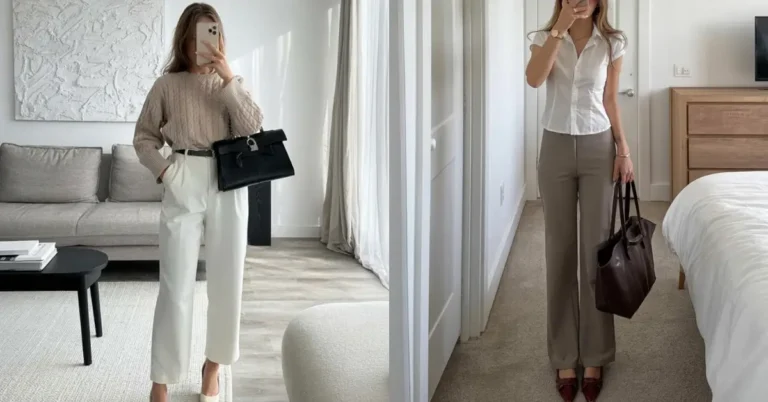

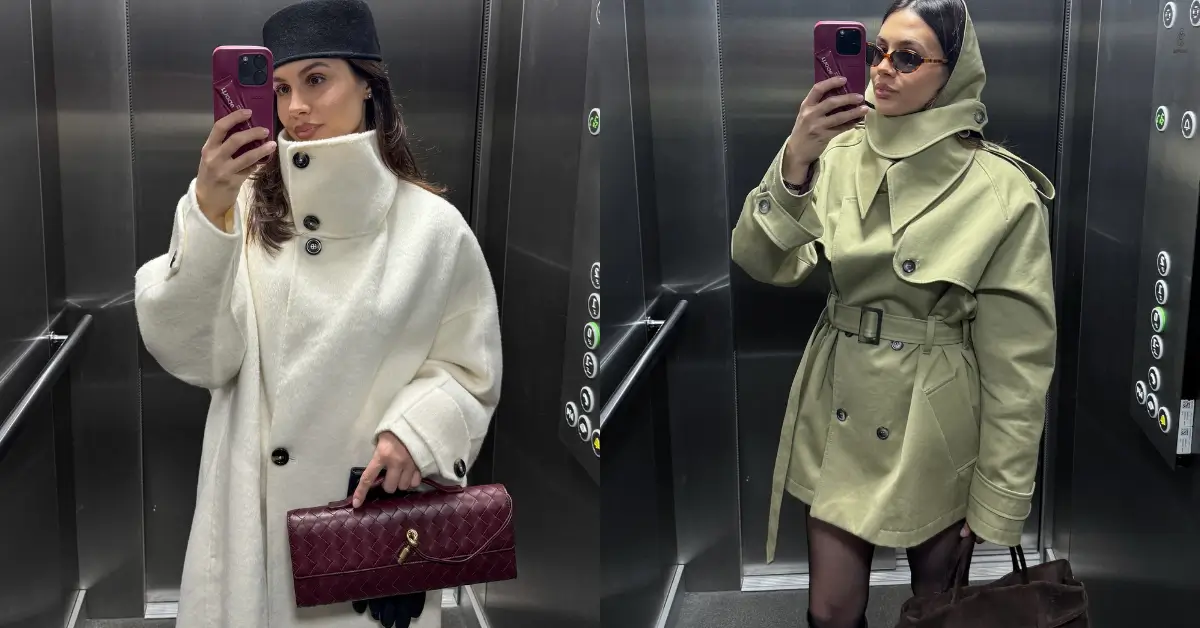
Being stylish isn’t about having perfect taste or endless options. It’s about making a few consistent choices that work for your body, your lifestyle, and your comfort level. If you’ve ever felt like you can “see” good outfits on other people but can’t recreate that ease for yourself, you’re dealing with missing structure, not missing style.
Most people think they need more clothes, more trends, or more rules. The goal is the opposite: fewer decisions, clearer outfit formulas, and a stronger sense of what actually suits you. Once you understand the basics of proportion, color, and finishing touches, getting dressed stops feeling like a daily problem.
This article pulls my best tips into one place so you can build outfits with confidence, not second-guessing. You’ll learn how to identify what’s throwing an outfit off, how to fix it with small adjustments, and how to shop and style in a way that creates more outfits from less. Expect practical guidance you can use immediately.
How to Become More Stylish (Fast & Realistic)
-
Build outfits around repeatable formulas
-
Focus on fit instead of trends
-
Choose a consistent color palette
-
Invest in fewer, better basics
-
Repeat outfits confidently
The Basics (Promise This Won’t Be Boring)
The color wheel is basically a cheat sheet for what colors create visual harmony together. Before we dive into the good stuff, let’s cover some fundamentals real quick.
You’ve got your colors – red, pink, purple, blue, green, yellow, all the vibrant stuff. Then you’ve got neutrals, which most people think are just black, white, and gray. But here’s the thing: neutrals also include really low-saturation versions of colors like beige, cream, brown, khaki, olive, and even navy. These guys work with everything and don’t compete for attention. They’re the reliable best friends of your wardrobe.
You’ll also hear about saturation (how rich or intense a color is), brightness (how light or dark it is), and undertones (the hidden color beneath the main color that makes something look warm or cool). A white shirt with blue undertones looks cool and crisp; one with orange-red undertones looks warmer. This stuff matters more than you’d think!
The Four Color Wheel Categories That Change Everything
1. Complementary Colors
These sit directly opposite each other on the color wheel, and when you put them together, they intensify each other. Think red and green, yellow and purple, blue and orange. These combos are vibrant, fun, and full of energy.
The catch? Sometimes they can look a little… costume-y. Nobody wants to accidentally dress like a Christmas elf in February.
Here’s how to make it work. First, try different saturations. Instead of bright red and bright green (hello, Santa’s helper), go for burgundy and olive or sage green. You’re still getting that complementary harmony, just softer and way more wearable. Second, choose a dominant color – keep one color bright and saturated while muting the other. A rich red top with khaki pants? Beautiful contrast without the chaos. Third, use “sister shades.” Don’t own purple to pair with your yellow? Grab a deeper blue instead – it’s close enough on the wheel to still create harmony.
2. Analogous Colors
These are colors that sit right next to each other on the wheel, and they’re absolutely gorgeous together. Think sunset vibes – red, orange, gold, pink all blending. Or ocean vibes – blues flowing into greens. Nature does this constantly, which is why it looks so effortlessly pleasing.
The downside? Sometimes analogous outfits can look a bit rainbow-ish, or if everything’s too muted, kind of flat.
Fix it by using accessories to fill in missing colors, adding texture or patterns to create visual interest, or throwing in a neutral that matches the temperature of your outfit. If your analogous colors are warm (oranges, yellows), reach for cream or brown rather than cool gray or stark white.
3. Monochromatic
This is choosing one single color and playing with different shades of it. Light blue, medium blue, navy – all in one outfit. Monochromatic looks are sophisticated, polished, and elegant with surprisingly little effort.
But they can also leave you looking a bit washed out or flat if you’re not careful.
The golden rule? Vary your shades AND your shapes. Mix light and dark versions of your color, and play with silhouettes – fitted pieces, structured shoulders, pleats, asymmetrical cuts. This creates focal points and visual interest even though you’re technically only using one color. Texture and patterns are your friends here too. A monochromatic outfit is actually the perfect place to finally wear that weird statement piece you bought on impulse. Keep everything else simple and let that one item shine.
4. Triadic Colors
These are three colors evenly spaced on the wheel, forming a triangle. They’re high contrast, playful, and super fun – but also potentially overwhelming for everyday wear.
Make it wearable by choosing muted or desaturated versions of all three colors, picking one dominant color and using the others as accents, or letting accessories do the heavy lifting. A triadic color combo through bags, shoes, and jewelry is much more practical than trying to find three bold clothing pieces that work together.
The Pattern Cheat Code
Here’s something beautiful: a well-designed patterned piece has already done the color combining for you. The designer figured out the color wheel stuff so you don’t have to. Your job? Simply pull from the colors that already exist in that pattern for everything else you’re wearing.
If your dress has golden greens, yellows, oranges, and creams, pick your shoes and bag from those exact colors. Don’t add anything new – you’ll just mess up the harmony that’s already there. You can add texture as long as it follows the same vibe. Earthy dress? Earthy-textured accessories. Easy.
One Last Tip: Track Your Wardrobe Gaps
As you start experimenting with these combinations, you’ll notice you’re missing certain pieces that would really help. I keep a note on my phone called “wardrobe gaps” where I write down every crucial item I’m lacking.
Not one-off trendy pieces – I’m talking about foundational items that would help me create multiple outfits and give my whole wardrobe more flexibility.
How to Become More Stylish Fast Using One Simple System
You don’t need endless tips. You need one repeatable system you can use every morning. The easiest one is: base + layer + shoe + detail. It works because it forces you to build a complete outfit instead of stopping at “shirt and pants.”
Here’s how to use it:
- Base: jeans, trousers, skirt, or a dress
- Layer: blazer, cardigan, denim jacket, or coat
- Shoe: choose a shoe that matches the outfit mood
- Detail: one accessory, like a belt, earrings, or sunglasses
Common mistakes:
- Skipping the layer and wondering why the outfit feels unfinished.
- Wearing the same shoes with every outfit.
- Adding five accessories instead of one strong detail.
A simple example:
- Straight jeans + fitted tee + blazer + loafers + belt
If you build outfits this way, you’ll get dressed faster and look more put together every day.
Just a little note - some of the links on here may be affiliate links, which means I might earn a small commission if you decide to shop through them (at no extra cost to you!). I only post content which I'm truly enthusiastic about and would suggest to others.
And as you know, I seriously love seeing your takes on the looks and ideas on here - that means the world to me! If you recreate something, please share it here in the comments or feel free to send me a pic. I'm always excited to meet y'all! ✨🤍
Xoxo Alessandra